REVIEW · COCOA BEACH
Cocoa Beach: Dolphin and Manatee Kayak or Paddle Tour
Book on GetYourGuide →Operated by Three Brothers Boards · Bookable on GetYourGuide
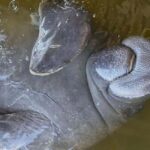
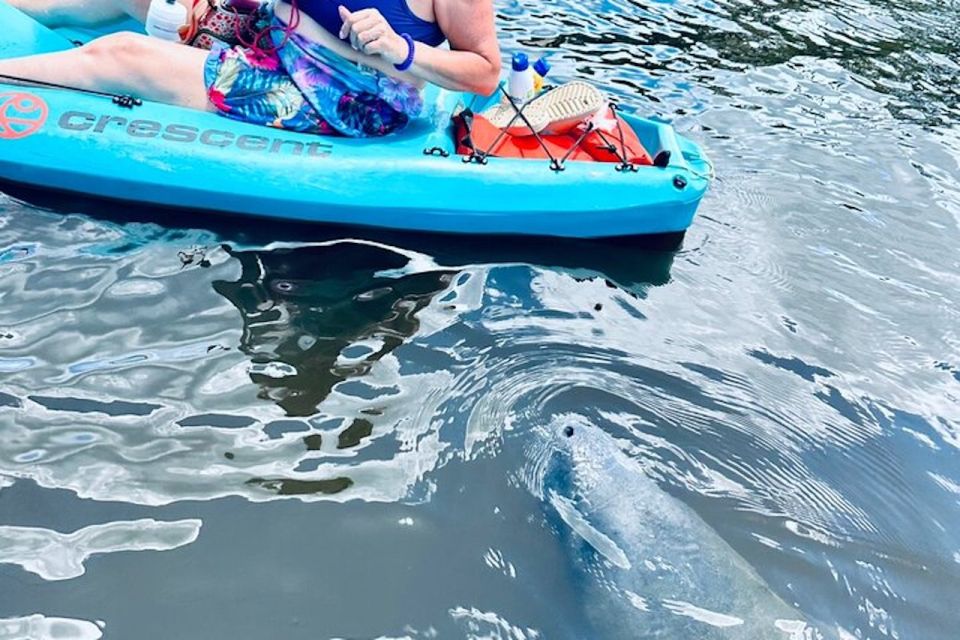
Manatees feel almost close enough to touch. I love the chance for dolphins and manatees up close while you paddle, and I love the mangrove scenery that makes the 2-hour route feel wild instead of scripted. The trade-off: wildlife sightings depend on conditions, so you might get more birds than mammals on a slow day.
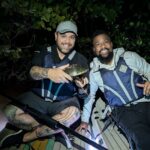
A big part of the value is the live guide who keeps things moving and explains what you’re seeing as you go. Guides like Jack (and others such as Spencer) are the kind of people who turn a simple paddle into a story about local nature and the area.
Just make sure you show up at the right spot: the meeting point is at 4800 Tom Warriner Blvd, right by the water edge near the parking area (not inside the Cocoa Beach Aquatic Center).
In This Review
- Key highlights worth knowing
- Cocoa Beach from the water: why this paddle tour feels different
- Meeting at 4800 Tom Warriner Blvd: simple logistics that can make or break your day
- Your 2-hour paddle route: what the ride includes and why it matters
- Wildlife spotting in the real mangrove world
- Banana River Manatee Refuge: the main reason many people book
- Thousand Islands Conservation Area: why that 30 minutes counts
- Guides, safety briefing, and the storytelling that turns a paddle into a trip
- Kayak vs. paddle-board vibe: what the included gear tells you
- Price and value: is $65 for 2 hours worth it?
- Who should book this tour, and who should skip it
- Should you book: my decision rule for this Cocoa Beach paddle tour
- FAQ
- What is the meeting point for the Cocoa Beach dolphin and manatee kayak tour?
- How long is the tour?
- How much does the tour cost?
- What kind of boat do you use?
- Are lifejackets included?
- What wildlife might you see during the tour?
- Do you visit the Banana River Manatee Refuge?
- Is there an island stop on the route?
- What is the Thousand Islands Conservation Area stop like?
- What language is the guide?
Key highlights worth knowing
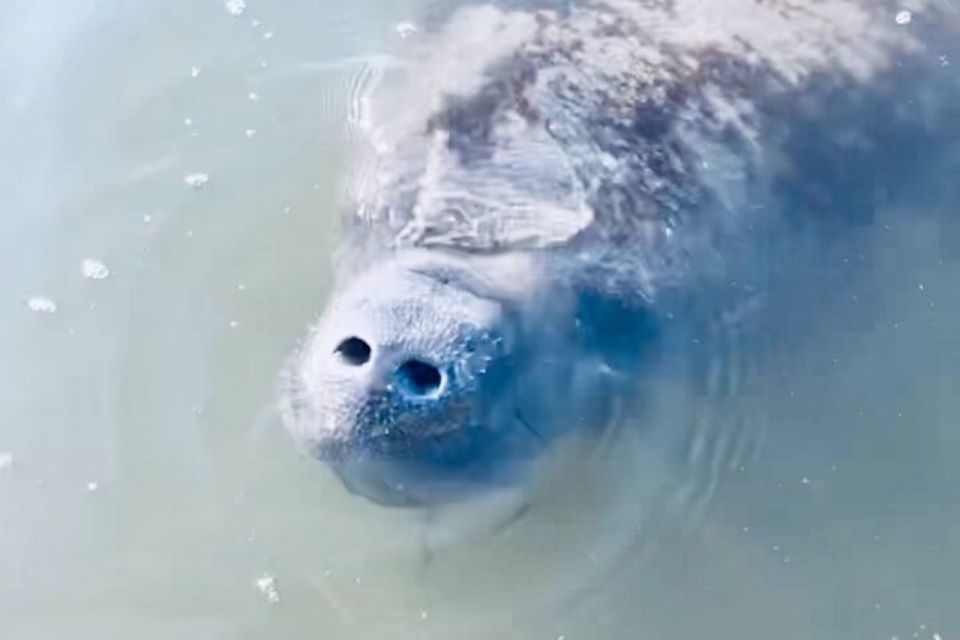
- Up-close West Indian manatees at the Banana River Manatee Refuge area
- Dolphins, sea turtles, and more wildlife spotting as you paddle the waterways
- Mangrove “tunnel” atmosphere that makes the route feel special
- A 30-minute pass by the Thousand Islands Conservation Area with many small boat-accessible islands
- Island stop for local history covered by your guide while you pause
- Two-person or one-person kayaks plus paddles and lifejackets included
Cocoa Beach from the water: why this paddle tour feels different
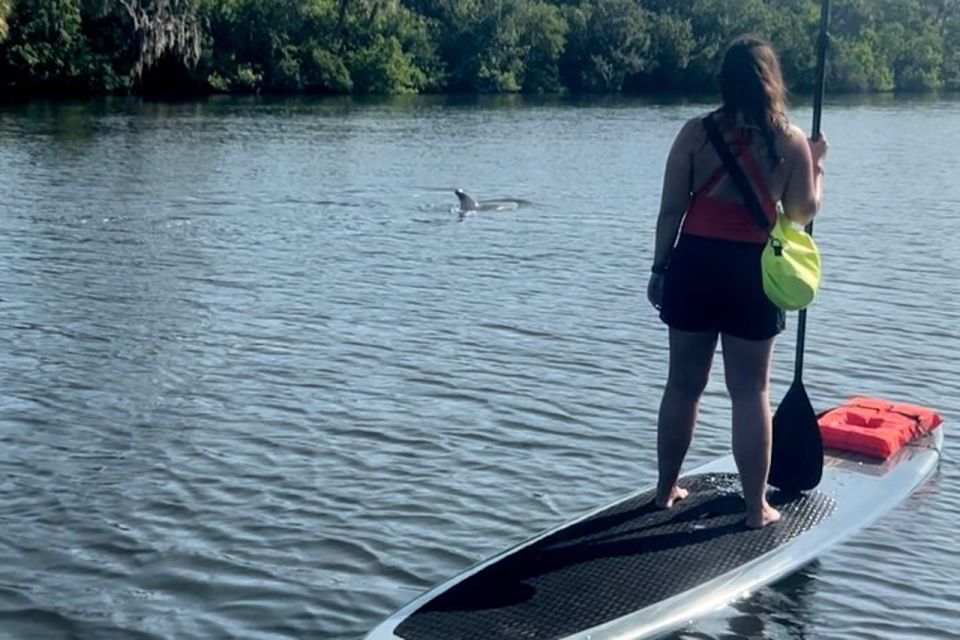
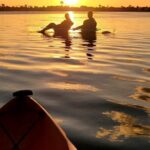
If your idea of Florida is palm trees and postcard beaches, this tour adds a second layer: the slow, quiet world of lagoons, mangroves, and wildlife that doesn’t care about your camera. The beauty here isn’t speed or thrills. It’s proximity. You’re out there in the same water space as dolphins, manatees, and the smaller signs of life that make the ecosystem tick.
What I like most is that it’s not only about spotting animals. You’re also moving through habitats. The mangroves aren’t just scenery. They’re the reason the water feels sheltered and the wildlife has cover. That changes how you experience Cocoa Beach—less “shoreline view,” more “living waterway.”
Another strength is the guide-led pacing. You get a safety briefing, then you paddle through routes where the guide can point out what to look for and when to look. That matters, because wildlife spotting is mostly about timing and patience, not luck.
You can also read our reviews of more dolphin watching tours in Cocoa Beach
Meeting at 4800 Tom Warriner Blvd: simple logistics that can make or break your day
This is the kind of tour where arriving on time affects everything. You’ll meet at 4800 Tom Warriner Blvd, and the provider specifically advises that you do not go into the Cocoa Beach Aquatic Center. Instead, park in the parking lot to the left of the pool, then look for the guide set up at the waters edge right next to that parking lot.
Here’s my practical advice: treat the meeting point like part of your adventure. Show up early enough that you can park, walk over, and get oriented without rushing. One thing to watch is that people have reported confusion from incorrect launch address info. So before you go, double-check the meeting details and don’t assume the first address you see is the correct one.
Once you’re there, the setup is straightforward: you’ll get lifejackets and paddles handled for you, and your guide will get the safety basics covered before you’re on the water.
Your 2-hour paddle route: what the ride includes and why it matters
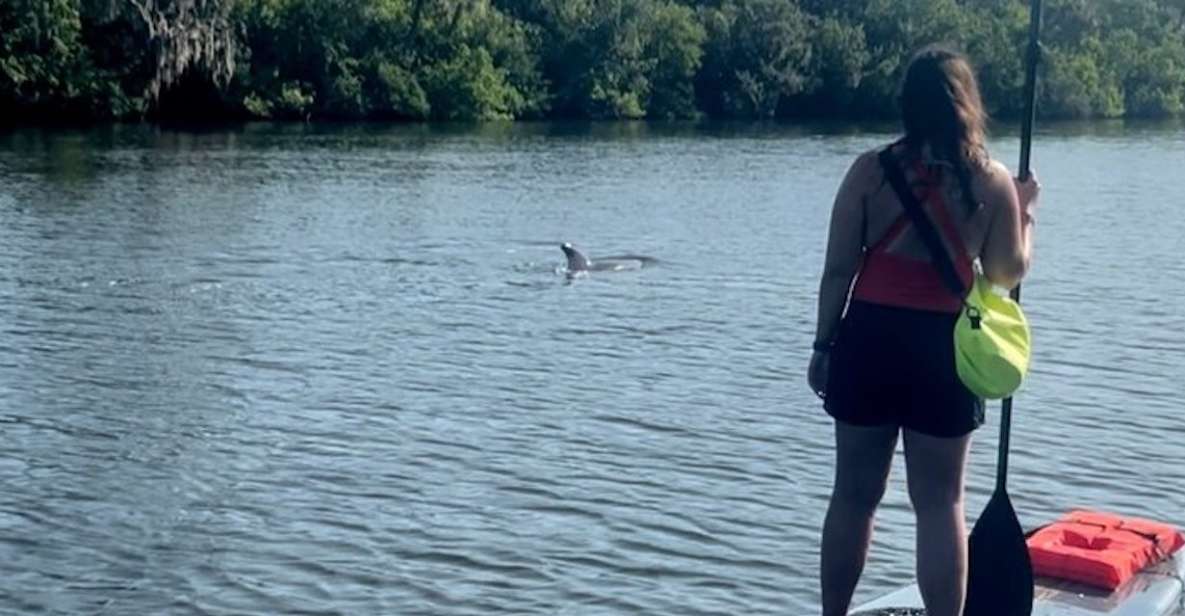
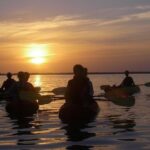
The tour runs for about 2 hours, and that time is used well. You start with guided paddling through Cocoa Beach waterways, with your guide teaching you as you go. Expect scenic water views plus active wildlife viewing—this isn’t a long sit and wait from shore.
The route is designed around multiple kinds of nature moments:
- Open water opportunities where dolphins can be seen
- Protected waterways where mangroves and smaller wildlife cues matter
- Refuge-style areas where manatees may linger and be easier to spot
You also get a guided stop at a beautiful island where your guides go over interesting local history of the town. That’s a nice reset, because it turns the trip into more than just animal watching. You get context for the place you’re paddling through.
Pacing-wise, you’ll be alternating between looking, listening, and paddling. If you come expecting a constant action movie, you may feel like it’s too calm. If you come expecting a Florida nature experience where you’re rewarded for paying attention, it fits perfectly.
Wildlife spotting in the real mangrove world
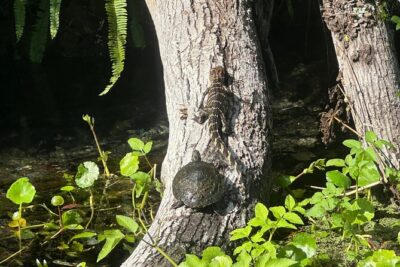
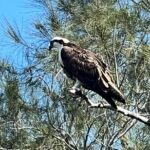
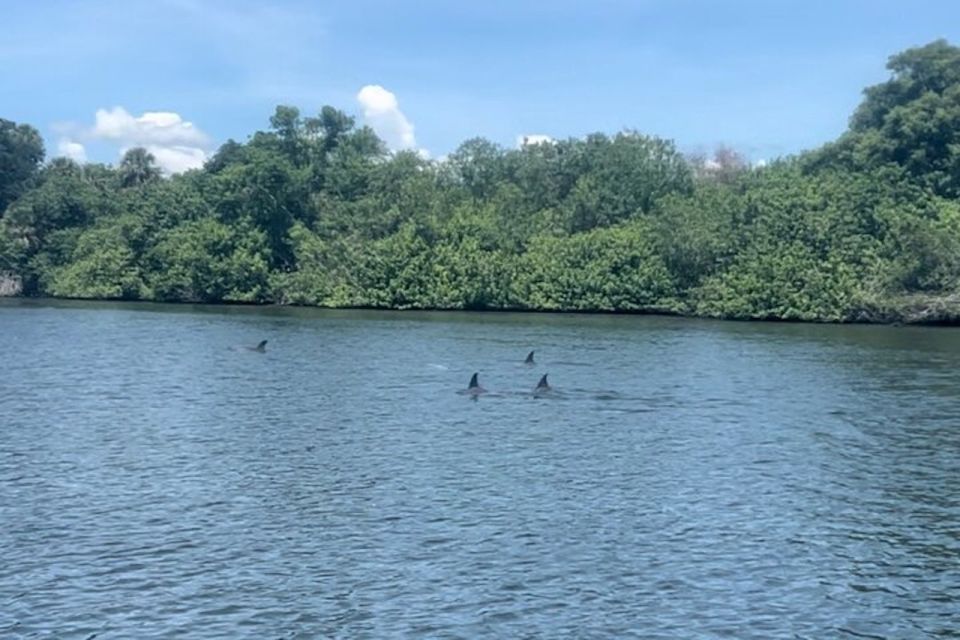
This is a wildlife-focused tour, and you’ll be watching for a long list of species as you paddle. The tour info emphasizes looking out for dolphins, manatees, sea turtles, live conch, and birds like pelicans and pink spoonbills. Mangroves are a core part of the scenery, and they play a real role in how wildlife uses the area.
Here’s the honest truth about wildlife tours: sightings can change with water conditions and animal behavior. But the design of the trip still gives you meaningful chances. You’re not just one shoreline viewpoint. You’re moving along waterways where wildlife may come closer, especially in areas that act like habitat corridors.
What helps most is the guide’s scanning. A good guide doesn’t just name animals. They point out what to watch for and where your attention should go at different parts of the route. That’s why tours with an engaging guide can feel dramatically better even when the wildlife count is similar.
If you’re the type who likes small details—birds in mangrove branches, subtle movement near shallow areas, the slow confidence of a manatee surfacing—this tour rewards that style of attention.
Banana River Manatee Refuge: the main reason many people book
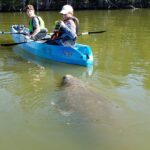
The Banana River Manatee Refuge stop is one of the key attractions, and it’s specifically highlighted as a place where you can see West Indian manatees. This refuge area is also associated with opportunities to spot larger groups of manatees, and it’s known for sightings alongside dolphins.
In practical terms, this is where the tour’s value concentrates. Two hours sounds short, but manatee-focused areas often produce slow, memorable moments: the kind where you get time to observe, not just a quick glance and move on.
If your goal is to see manatees in the wild, this stop matters more than the paddle itself. You’re pairing the paddling experience with a place designed for manatee viewing potential. And because the tour is guided, you’re more likely to know what you’re looking at when you spot something from the water.
One more point: manatees don’t follow a schedule. If they’re visible, you’ll likely feel like you’ve stepped into something rare. If they’re less active that day, the tour still gives you other wildlife viewing, including dolphins and birds.
You can also read our reviews of more tours and experiences in Cocoa Beach

Thousand Islands Conservation Area: why that 30 minutes counts
A 30-minute pass by the Thousand Islands Conservation Area adds a different kind of wow. This area is described as a 338-acre site on the Banana River adjacent to Cocoa Beach, with many small islands—over a thousand. Most are only accessible by boat or kayak, so the view from your paddle route is part of what makes the area special.
The wildlife list here includes things like storks, dolphins, manatees, and Roseate Spoonbills, plus the note about rare and endangered tropical plants. Even if you don’t spot every species, this stop can help you understand how the whole ecosystem fits together: islands, water channels, feeding, shelter, and wildlife movement.
If you’re someone who likes variety, this is a good segment. It’s not just one habitat moment. It’s a quick look at a landscape of many small water-connected spaces, and you get to experience it at kayak scale instead of from a distant shoreline.
Guides, safety briefing, and the storytelling that turns a paddle into a trip
A standout feature is the human factor: you’re not out there alone. The tour includes a safety briefing and a live English-speaking guide, and that guide is also your translator for what you’re seeing.
In the guide experiences shared, names like Jack and Spencer come up, and both styles seem to focus on education while keeping the tour easy-going. The best guided moments are the ones that happen while you’re still paddling—when the guide points out something in motion and helps you connect the dots without slowing the day down.
From a practical standpoint, a good guide also helps you paddle correctly and stay comfortable. Even if you’ve never kayaked before, you’ll be given the basics, plus you’ll have paddles and lifejackets provided. That lowers the stress level, so you can focus on looking instead of worrying about technique.
Kayak vs. paddle-board vibe: what the included gear tells you
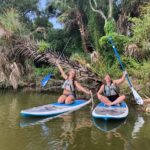
The tour is called Dolphin and Manatee Kayak or Paddle Tour, and what’s included can clue you in on the setup. You’ll have one- or two-person kayaks, along with lifejackets. You’ll also have paddle board paddles and kayak paddles provided.
That mix implies the operator supports different paddle formats depending on your group and the day’s setup. If you’re choosing between options, think about what you prefer:
- Kayaks tend to feel more stable and controlled for first-timers.
- Paddle-board style can feel more balanced and open, with a different view angle.
Either way, you’re covered on the basics because the tour supplies the paddles and safety gear. So your main job is simply to wear something you can move in and follow instructions at the water’s edge.
Price and value: is $65 for 2 hours worth it?
At $65 per person for about 2 hours, this tour sits in the “reasonable splurge” category. It’s not a bargain, but it’s also not in the “pay for a fancy luxury day” lane. The value case comes down to two things:
1) Wildlife odds plus a purpose-built route
You’re targeting a manatee refuge area and passing conservation zones that make sense for wildlife viewing. That’s more than just paddling around the shoreline.
2) Guided education that improves your odds of seeing more
Even on days when wildlife behavior is unpredictable, a good guide helps you spot what’s there and understand what you’re seeing.
Now the caution: when wildlife is slow, the same tour can feel overpriced. There are days when you’ll see mostly birds and not much else. If that would be disappointing for you, you should weigh the cost carefully and be ready for the reality of nature. But if you treat it like a guided Florida nature experience where manatees are a possible highlight (not a guaranteed show), the price can make sense.
Who should book this tour, and who should skip it
You should book if:
- You want a hands-on wildlife experience rather than viewing from land.
- You like calm paddling with guided nature explanations.
- You specifically hope to see manatees and dolphins in a refuge and conservation setting.
You might want to skip or choose another option if:
- You’re traveling on a tight budget and $65 feels hard to justify.
- You need a guaranteed wildlife outcome. This is nature, and sightings can vary.
- You’re very sensitive about meeting-point confusion. If you’re the type who gets flustered by directions, arrive early and re-check the exact launch location.
For families, couples, and solo nature lovers, it tends to be a great fit because the tour balances movement (paddle time) with moments to look and learn.
Should you book: my decision rule for this Cocoa Beach paddle tour
I’d book this tour if your top goal is to experience Cocoa Beach’s lagoon world and you’re comfortable with wildlife sightings being variable. The Banana River Manatee Refuge angle is the strongest selling point, and the addition of the Thousand Islands Conservation Area pass gives you more habitat variety than a simple one-stop cruise.
I’d hesitate if you’re expecting guaranteed manatees and dolphins on demand. If that’s your mindset, you might end up frustrated on a slow day. But if you’re excited by the idea of paddling through mangroves, scanning for wildlife, and letting the guide tell you what you’re seeing, this feels like a solid use of your time in the area.
If you want flexibility, you can also take advantage of the free cancellation window offered up to 24 hours in advance, so you can adjust as conditions and your schedule settle.
FAQ
What is the meeting point for the Cocoa Beach dolphin and manatee kayak tour?
The meeting point is 4800 Tom Warriner Blvd. You’re advised not to go into the Cocoa Beach Aquatic Center. Park in the lot to the left of the pool and find your guide set up at the waters edge right next to the parking lot.
How long is the tour?
The tour duration is 2 hours.
How much does the tour cost?
The price is $65 per person.
What kind of boat do you use?
The tour provides one- or two-person kayaks. Paddle board paddles and kayak paddles are included as well.
Are lifejackets included?
Yes. Lifejackets are included.
What wildlife might you see during the tour?
You may see dolphins, manatees, sea turtles, live conch, pelicans, mangroves, and also pink spoonbills.
Do you visit the Banana River Manatee Refuge?
Yes. The tour includes a visit to the Banana River Manatee Refuge, noted as one of the places where you can see West Indian manatees.
Is there an island stop on the route?
Yes. You stop at one of the islands while your guides share interesting history of the town.
What is the Thousand Islands Conservation Area stop like?
You pass by the Thousand Islands Conservation Area for about 30 minutes. It’s described as a 338-acre site on the Banana River with many small islands that are mostly accessible by boat or kayak.
What language is the guide?
The live tour guide provides information in English.