REVIEW · COCOA BEACH
Bioluminescence Kayak Tour
Book on Viator →Operated by A Day Away Kayak Tours · Bookable on Viator
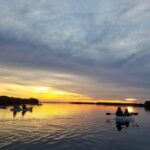
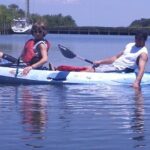
Night kayaking turns ordinary water into starlight. This 2-hour bioluminescence kayak tour near Merritt Island National Wildlife Refuge is all about paddling through dark lagoons and watching tiny organisms light up when they’re disturbed. I love that the tour is guided by people who can explain what you’re seeing in plain language, and I also like the safety mix of PFDs provided plus a setup that works for first-timers.
One thing to consider: the glow depends a lot on timing and conditions. In winter you’re looking for comb jellies, and in summer you’re chasing dinoflagellates, so mid-season or bad timing can mean less spectacle than you imagined.
Finally, the guide really drives the experience. Folks highlighted guides like Aidan, Matt, Caleb, Zoey, and Jorge for staying upbeat, keeping paddlers together, and pointing out dolphins, manatees, and the smaller life that makes the whole place tick.
In This Review
- Key Points Before You Paddle
- Where Merritt Island Meets Cocoa Beach at Night
- Dinoflagellates vs Comb Jellies: Pick the Right Month
- What Happens on the Water: Glow, Wildlife, and That Quiet Wow
- Wildlife sightings are a real possibility
- Catching glowing creatures can be part of the fun
- Guide First: Why Names Like Aidan, Caleb, and Zoey Show Up
- Coaching matters if you’re new to kayaking
- They also narrate the lagoon, not just the glow
- Staying Comfortable in the Dark: What to Bring and Why
- Weather reality: it can feel colder than you expect
- Timing, Light Pollution, and Why Some Nights Feel Stronger
- How Long Is It and What’s the Pace Like?
- Value and Included Gear: What You’re Paying For
- Should You Book This Bioluminescence Kayak Tour?
- FAQ
- FAQ
- Where does the tour start in Merritt Island?
- How long is the bioluminescence kayak tour?
- Do I need to bring a kayak or safety gear?
- When is bioluminescence best for dinoflagellates?
- When is bioluminescence best for comb jellies?
- What should I wear?
- Should I bring a flashlight?
- Is the tour strenuous?
- Can I bring a camera?
- What’s the cancellation refund cutoff?
Key Points Before You Paddle
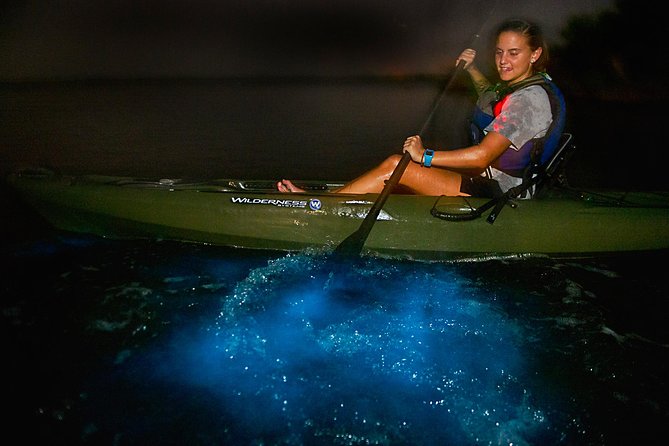
- Season determines the show: dinoflagellates (May to early Nov) vs comb jellies (late Nov to April)
- Calm lagoons, not rough surf: paddling is low-stress for most people, even if you’ve never kayaked
- A real guide matters: strong science storytelling and clear coaching show up again and again in the guides’ names
- Wildlife is part of the package: you might spot dolphins, manatees, and jumping mullet fish
- Expect to get wet: water shoes are the move, and warm clothes help when it turns cold at night
- Photos won’t replace the moment: the bioluminescence is hard to capture, but people shots usually turn out great
Where Merritt Island Meets Cocoa Beach at Night
This tour takes place in the waters around Merritt Island National Wildlife Refuge, just north of Cocoa Beach. The location matters because you’re paddling through protected lagoon areas, not open ocean. That protection usually means a quieter experience where you can focus on the water in front of your kayak.
You’ll start at 951 Kiwanis Island Park Rd, Merritt Island, FL 32953, and the tour ends back at the meeting point. Expect about 2 hours on the water total, including the parts where you’re learning the routine, paddling out, and heading back.
One underrated reason people love this area at night: the combination of dark water and minimal disturbance turns every paddle stroke into a clue. When bioluminescence is active, your kayak literally becomes the trigger.
You can also read our reviews of more tours and experiences in Cocoa Beach
Dinoflagellates vs Comb Jellies: Pick the Right Month
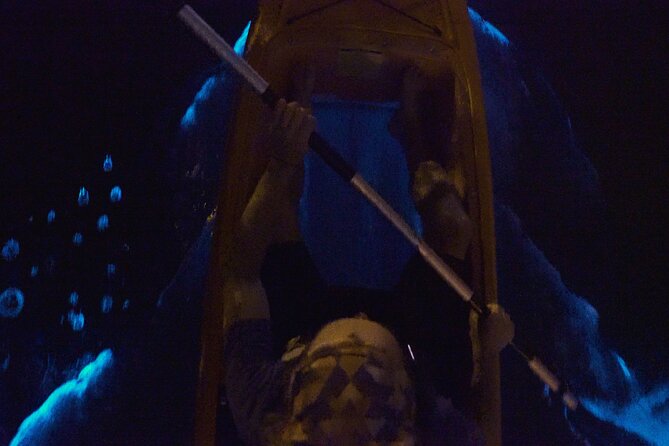
Here’s the practical part of the biology, and it changes your expectations fast.
- Summer bioluminescence: dinoflagellate blooms, usually May to early November
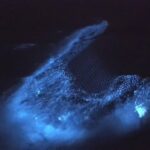
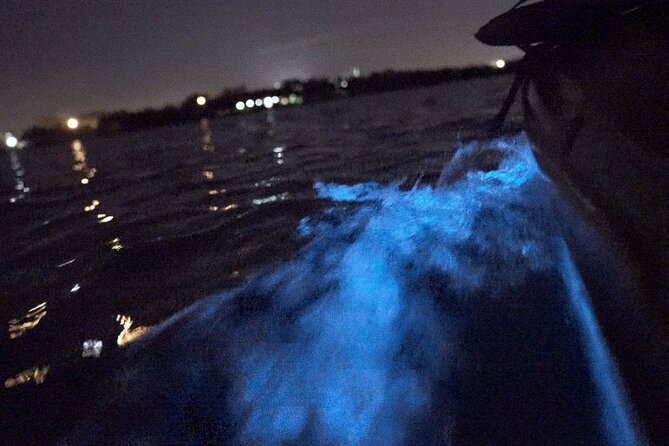
The glow is often described as a cloudy blue-green light. If you paddle in the warmer months, you’re more likely to get that classic “stirring the water lights it up” effect.
- Winter bioluminescence: comb jellies, usually late November to April
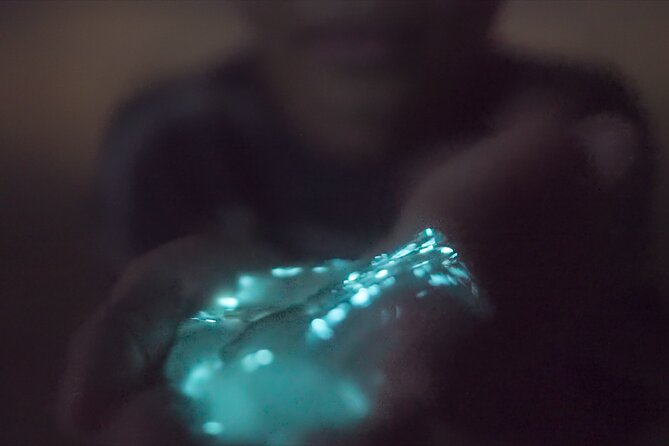
Comb jellies are clear, glob-like creatures that produce individual glowing points. One key reassurance: they don’t sting, so the moment you’re coaxing them into view feels both safe and magical.
These microorganisms live in Florida’s lagoon systems, including the Indian River and Mosquito Lagoon during warmer months and the Indian River Lagoon in cooler months. The tour is timed to match what the water is most likely to produce then.
What Happens on the Water: Glow, Wildlife, and That Quiet Wow
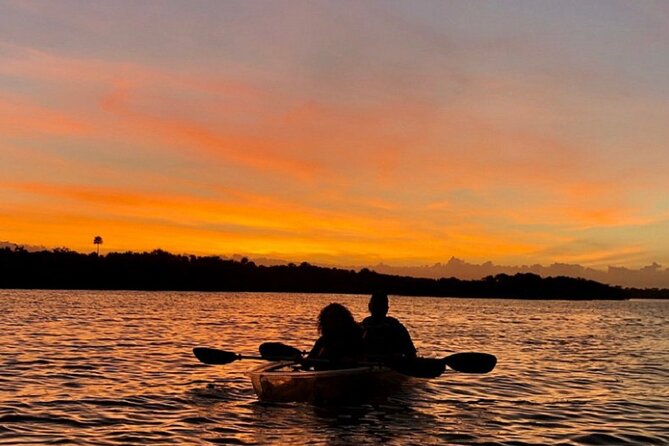
The core experience is simple: you paddle through darkness and look for the moment your movement wakes up the light.
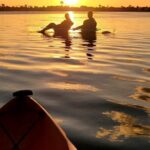
As the kayak glides across calm water, the guide helps you notice what’s happening at different scales. Sometimes it looks like the water sparkles behind your paddle. Other times, the glow appears as small bursts or clustered points when you disturb the surface.
Wildlife sightings are a real possibility
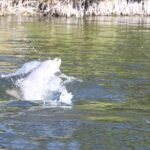
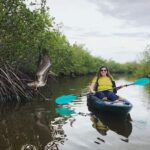
This tour isn’t only about bioluminescence. You may also see marine life in the lagoon system, and several guides received praise for spotting things early and explaining what you’re seeing.
From the details you provided, wildlife possibilities include:
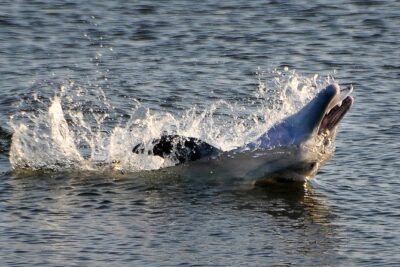
- Dolphins
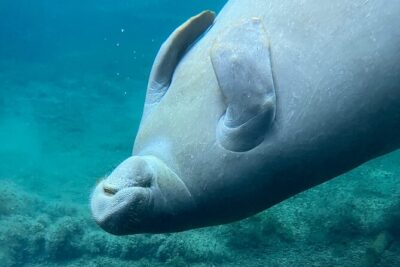
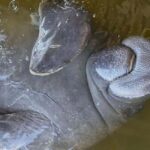
- Manatees
- Fish that jump (often described as mullet)
- Jelly-like glow life depending on season, especially comb jellies in winter
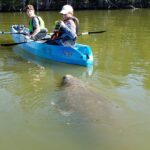
In at least a few accounts, a manatee surfaced close enough to change how people felt in the moment, which is exactly the kind of wildlife thrill you want from an evening kayak—big animals, but not loud or chaotic.
Catching glowing creatures can be part of the fun
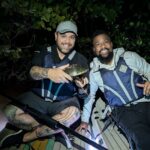
In winter, part of the excitement is the chance to catch and hold comb jellies (their name is a little misleading; they do not sting). That hands-on moment tends to turn the trip from pretty into memorable because you’re watching the glow at your fingertips, not just at a distance.
One practical note: some trips may have equipment limits in certain situations. If you’re visiting in a busy stretch, you might not get every participant the same level of hands-on time with every glowing creature.
Guide First: Why Names Like Aidan, Caleb, and Zoey Show Up
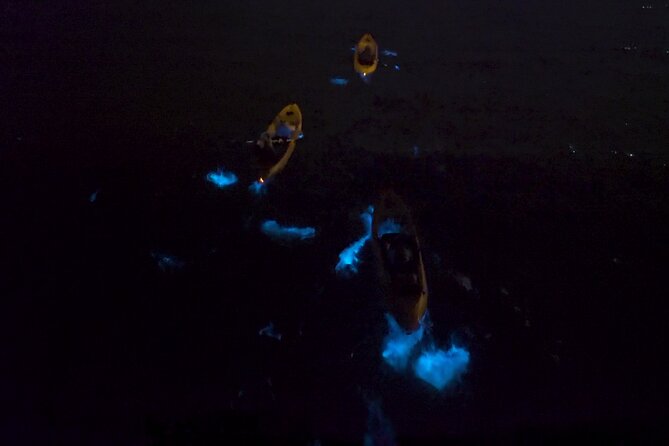
On tours like this, the guide is the difference between seeing something and understanding it. The consistent praise you shared points to guides who do three things well: set expectations, coach paddling confidence, and keep everyone engaged with what’s happening around them.
Coaching matters if you’re new to kayaking
Aidan stood out for being very hands-on with instruction for first-timers, and that’s huge here. Night water makes people nervous, and good coaching turns nervous energy into smooth paddling.
Caleb, Matt, and others also earned strong notes for staying on top of group safety while still making the science fun. You’ll feel that energy in how the tour runs: fewer random pauses, more focused glances at the water, and more time where everyone feels included.
They also narrate the lagoon, not just the glow
Good guides don’t only say bioluminescence exists. They connect it to the lagoon ecosystem—where it lives, why it’s there, and what conditions shape how visible it is. That’s why multiple guides were described as protective of their groups and quick to point out wildlife behavior, not just random sightings.
If you can choose your guide, it’s worth doing. If you can’t, you can still count on a professional guide as part of the included setup.
Staying Comfortable in the Dark: What to Bring and Why
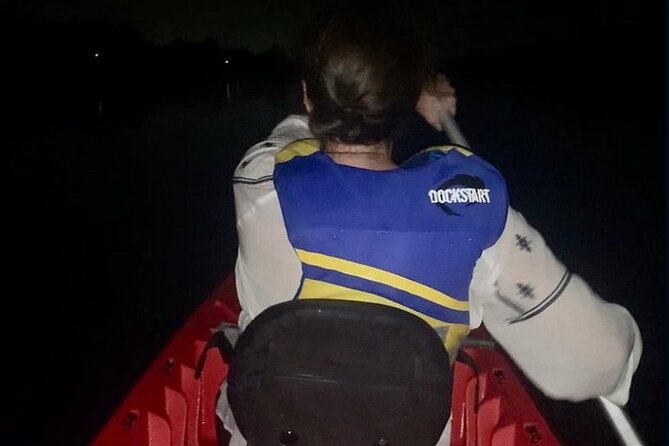
Night kayaking is short, but your body remembers it. The tour info is clear that you should wear clothes you don’t mind getting damp. Water shoes are also important because the shoreline and the water conditions can mean wet feet at some point.
Here’s your practical checklist based on what’s provided:
- Water shoes (sandals or Crocs that can be worn in the water)
- A towel you can leave in your car
- An extra change of clothes just in case
- Bottled water and snacks (helpful because you’re out after dark)
- Camera and dry bag (optional)
Dry bag helps you keep gear intact, but the info you shared is blunt: cameras are fairly useless for capturing bioluminescence. They’re great for photos of people, not the glow itself.
You may bring a flashlight, but you’ll also get a safety light. For me, the best approach is to follow the guide’s cue on where to aim light. Too much personal lighting can kill the glow effect and make it harder to see what your guide wants you to notice.
Weather reality: it can feel colder than you expect
Even in Florida, February nights on open water can feel chilly. If you’re a cold person, dress for it. Warm layers won’t make you sweat, and dry clothes at the end matter more than you’d think.
Timing, Light Pollution, and Why Some Nights Feel Stronger
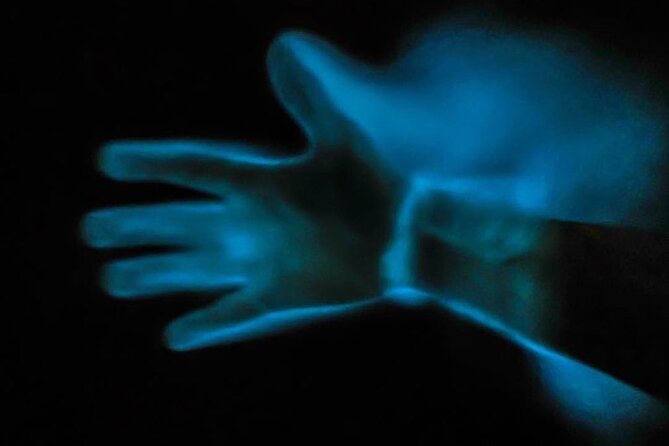
Bioluminescence isn’t a switch you flip. It’s living chemistry, and it shows up differently depending on season and conditions.
The biggest factor is the organism type tied to the month:
- Warm-season dinoflagellates are generally the classic cloudy blue-green show.
- Winter comb jellies can be more about individual glowing points.
A second factor is visibility. One account pointed out that local light pollution reduced the glow effect, turning the experience into kayaking with only a sprinkle of bioluminescence. That doesn’t mean the tour is bad; it means you should arrive with a realistic mindset.
My advice: plan to enjoy the night kayaking itself—quiet water, wildlife chance, and the science talk—so the glow becomes the bonus rather than the sole outcome.
How Long Is It and What’s the Pace Like?
This is a 2-hour experience, and the tour is described as low-stress enough for many people, including families. That said, night paddling still takes coordination and basic stamina.
You’re not signing up for a workout, but you should be ready for:
- gentle paddling for a period of time
- time spent in the dark looking at small moving details
- a guided pace that keeps the group together
One practical consideration from the details you shared: some trips may feel longer or rougher than expected depending on conditions and the route chosen for that night. If you’re someone who hates surprise distance, it’s worth asking your guide early how the paddling plan works for your specific group that evening.
Value and Included Gear: What You’re Paying For
Even without a listed price in your details, you can still evaluate value using what’s included and how the experience is framed.
What you get is straightforward:
- Kayak
- Paddle
- PFD (flotation device)
- Professional guide
- A 2-hour guided session in a biologically active lagoon area
This matters because you’re not spending your energy on rentals, figuring out equipment, or learning basic kayak technique in the dark by yourself. The guide handles that, and your time is focused on the water and the glow.
Also, the high rating you shared (4.8 from 800+ ratings) points to a pattern: people usually come for the mystery, and they stay for the guidance. If your goal is to learn while you see, this tour has the structure to deliver.
Should You Book This Bioluminescence Kayak Tour?
If you’re deciding yes or no, I’d book it if:
- you want a night activity that feels different from beaches and theme parks
- you’re okay with nature being nature and the glow varying by night
- you’d enjoy a guided explanation of dinoflagellates and comb jellies, not just a quick walk to a view
- you’d like a chance at dolphins, manatees, and jumping fish while you’re out there
I’d pause and do a quick rethink if:
- you’re going during a time when you’re expecting peak glow but you don’t want any chance of a weaker night
- you’re very sensitive to cold, since winter can bring a real chill
- you’re hoping for a phone-photo perfect “movie scene” glow, because the information you shared suggests cameras won’t capture the bioluminescence well
Overall, this tour shines when you treat the glowing water as a living show with a human guide beside you to make sense of it.
FAQ
FAQ
Where does the tour start in Merritt Island?
The meeting point is 951 Kiwanis Island Park Rd, Merritt Island, FL 32953, USA, and the activity ends back at the meeting point.
How long is the bioluminescence kayak tour?
It’s listed as about 2 hours.
Do I need to bring a kayak or safety gear?
No. The tour includes the kayak, paddle, and PFD (flotation device).
When is bioluminescence best for dinoflagellates?
Dinoflagellate bioluminescence is listed as peaking May to early November.
When is bioluminescence best for comb jellies?
Comb jelly glowing season is listed as peaking late November to April.
What should I wear?
Wear clothes you don’t mind getting a little wet. Bring water shoes (sandals or Crocs that can be worn in the water), and consider bringing an extra change of clothes.
Should I bring a flashlight?
You may bring a flashlight, but the tour provides a safety light as well.
Is the tour strenuous?
Most travelers can participate, and the descriptions you shared suggest it’s low stress compared with more athletic kayaking.
Can I bring a camera?
Yes, but the info you provided says cameras are fairly useless for capturing bioluminescence. They’re better for taking photos of people.
What’s the cancellation refund cutoff?
You can cancel up to 24 hours in advance for a full refund. If you cancel within 24 hours of the start time, the amount paid is not refunded.