REVIEW · COCOA BEACH
Manatee and Dolphin Kayaking Encounter
Book on Viator →Operated by A Day Away Kayak Tours · Bookable on Viator
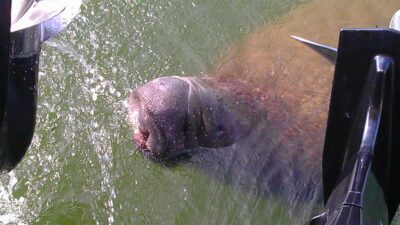
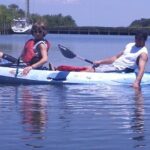
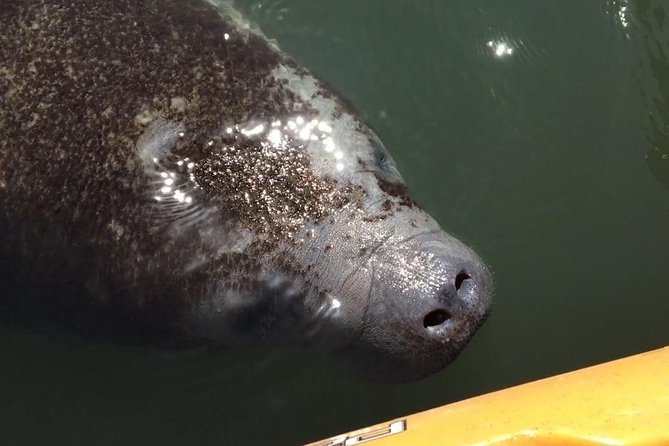
Manatees can almost touch you on the paddle. This Cocoa Beach–area kayak tour takes you into the Merritt Island National Wildlife Refuge for a slow morning on calm water, built around observing the endangered Florida “sea cows” in their favorite lounging spots. I like that you’re not just sightseeing from shore—you’re moving quietly through the habitat, with a guide who helps you read what’s happening out on the water.
Two things really make this experience click: the chance at close, gentle manatee encounters and the variety of wildlife you can spot while you’re there—dolphins, birds, and even occasional surprises like a gator or horseshoe crabs. One consideration: the area can get busy, so boat traffic and fishermen can mean a less peaceful feel at certain times of day (and can affect how close you feel to the wildlife).
In This Review
- Key things to know before you go
- Haulover Canal launch: what your 2-hour start feels like
- Merritt Island National Wildlife Refuge: manatee lounging is the main event
- How the tour keeps manatee watching gentle and safe
- Dolphin search: when the water turns playful
- Florida wildlife bonus round: birds, crabs, gators, and more
- Paddling level and comfort: what moderate fitness actually means
- What to bring: water shoes, towel plans, and better photo habits
- Value in your time: why this is more than a quick wildlife stop
- Should you book the manatee and dolphin kayaking encounter?
- FAQ
- Where does the tour start and end?
- How long is the kayak tour?
- What’s included with the tour?
- What should I bring?
- What fitness level do I need?
- What is the cancellation rule?
Key things to know before you go
- A guided 2-hour kayak through the Merritt Island National Wildlife Refuge, with kayak, paddle, and PFD provided
- Focus on manatees first, then a search for dolphins in the same ecosystem
- Respect-first rules so you can watch without disturbing the animals’ natural behavior
- Wildlife variety beyond the main mammals: pelicans, osprey, roseate spoonbills, horseshoe crabs, and more
- Real-world weather handling matters, especially with wind and currents
- Moderate fitness is enough, since it’s designed as an easy-on-you water outing (not a strenuous workout)
Haulover Canal launch: what your 2-hour start feels like
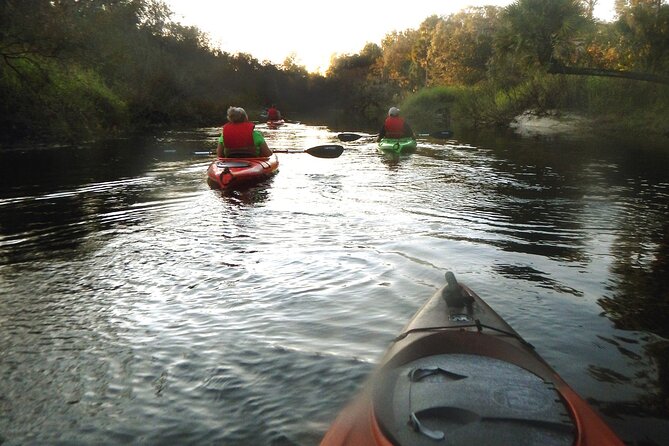
Your tour begins at Haulover Canal Kayak Launch, Haulover Canal, Mims, FL 32754, with the activity ending back at the same spot. That matters because you’re not committing to a long travel day or complicated logistics—your time is kept for paddling and wildlife watching.
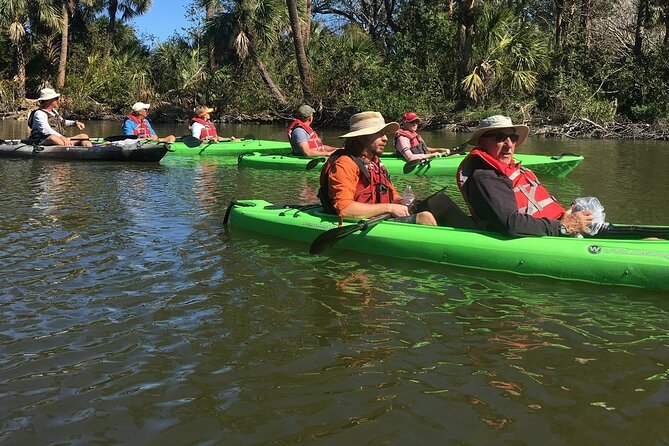
You’ll get a quick setup and safety briefing on the water. The tour includes your basic gear: a kayak, paddle, and lifejacket (PFD), so you’re not hunting down equipment on your own. In reviews, guides like Matt, David, Drew, and Zoe are singled out for being organized and friendly, including reviewing rules and equipment right at the launch.
What I like about this kind of setup is that it helps you relax fast. You can focus on getting comfortable with paddling and buoyancy, then the guide can steer the group toward the areas where manatees and dolphins are most likely to be active.
Two practical notes from what you’re told to bring:
- Wear water shoes (sandals or Crocs that can be worn in the water).
- Bring clothes you don’t mind getting wet and plan for a possible splash or two.
You can also read our reviews of more dolphin watching tours in Cocoa Beach
Merritt Island National Wildlife Refuge: manatee lounging is the main event
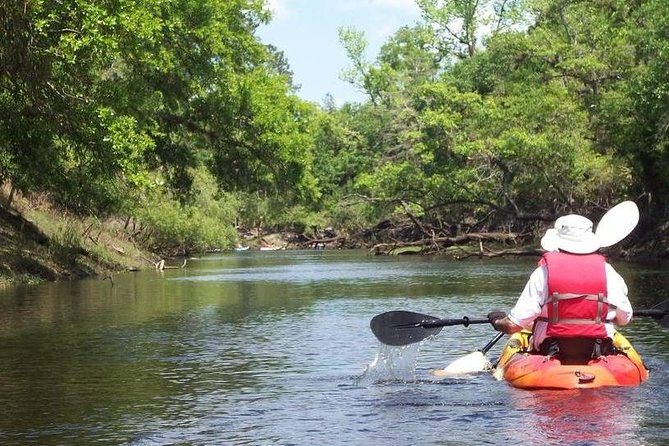
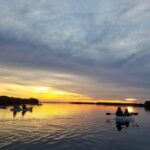
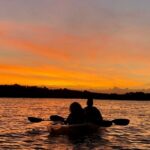
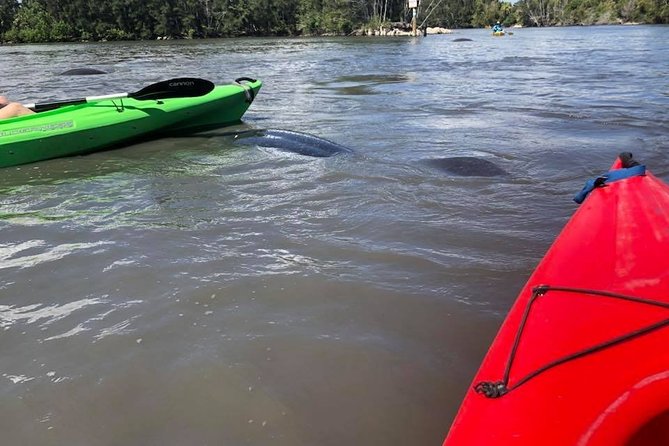
This is a “slow morning” tour by design. You float through the Merritt Island National Wildlife Refuge, where manatees often hang out in calm, warm water. The whole point is to watch them as they do their own thing: resting, feeding, and moving at their own pace.
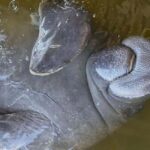
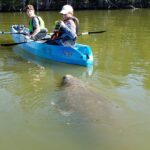
What makes this especially memorable is how close you can get when conditions line up. Multiple guides are credited for finding strong viewing opportunities, and several guests describe manatees approaching so near they seemed to nuzzle, bump, or even gently push a kayak. That’s not something you should assume every time, but it’s clearly something the operation aims for—and it’s why people recommend this trip so strongly.
Also, you’ll get guided commentary tied to what you’re seeing. You’re not left with only binoculars and guessing. Instead, you learn how the ecosystem works and what the animals need. Think: why manatees choose certain water areas, how feeding and movement patterns affect visibility, and what signs to look for without chasing the animals.
This is where the “watching at water level” advantage really shows. On land, wildlife can look small and distant. From a kayak, the refuge feels personal—quiet, close, and oddly intimate for a place that’s meant to be lived in by animals, not people.
How the tour keeps manatee watching gentle and safe
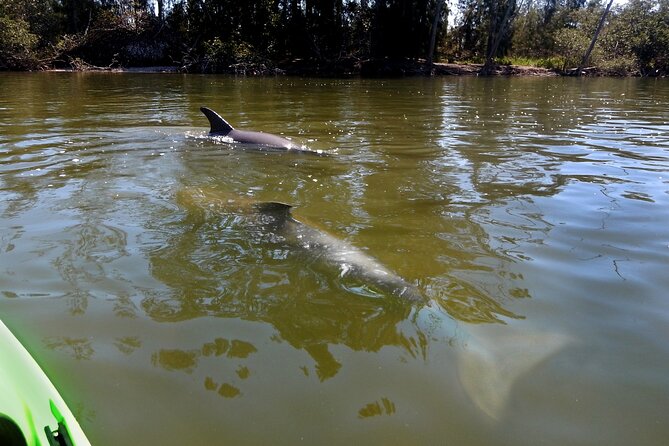
The tour is built around one big idea: you’re in their home. You’re meant to observe without disturbing, overwhelming, or disrupting natural behaviors. That changes the whole tone. Instead of charging toward an animal, you learn patience and positioning.
From a practical standpoint, here’s what that usually means on the water:
- You slow down when you find the right zone.
- You avoid aggressive paddling that makes the water feel unstable.
- You let the guide manage where the group goes so you’re not crowding.
Guides like Chas and Carl get praised for letting people take their time watching. That’s important. Manatees aren’t going to perform on schedule, and the best sightings often happen when you’re calm and still enough to let the animals come to you.
There’s also a safety element. Reviews include moments when guides respond to changing conditions, such as wind and currents. In one case, Drew adjusted the route to avoid stronger currents and provide protection from cold wind. Translation for you: don’t worry if the weather isn’t ideal. A good guide is thinking about both animal behavior and human safety.
Dolphin search: when the water turns playful
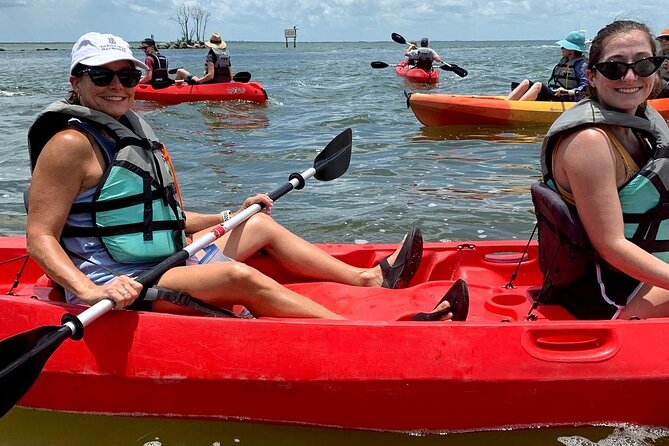
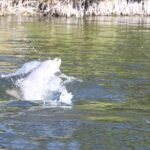
After manatee time, the tour shifts into a search for dolphins. Dolphins can be harder to predict than manatees, because they move and change areas depending on food and activity. The goal here isn’t a guarantee; it’s a chance to spot them behaving normally, often actively fishing nearby.
When dolphins show up, they can be surprisingly close and energetic. Some reviews mention seeing dolphins in the distance, while others describe a pod and even a baby dolphin. Even if the dolphins don’t come right up to your kayak, the experience of scanning the water with a guide who knows how to look makes the hunt feel productive instead of random.
What I like is that the dolphins are treated as part of the same story, not a separate “extra.” You’re still in the refuge ecosystem, and the guide’s commentary connects the dots between mammals, birds, and the broader water environment.
One tip for your expectations: if you’re hoping for a dolphin “show,” plan to be happy with “real life” dolphin behavior. Dolphins can be active, but they’re wild, and the best sightings often look casual, not choreographed.
Florida wildlife bonus round: birds, crabs, gators, and more
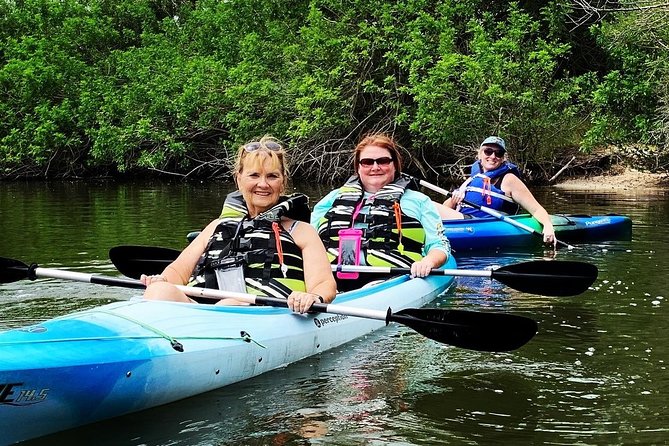
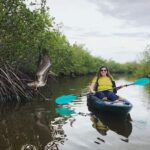
Even if manatees and dolphins steal the spotlight, this tour keeps giving you other things to watch. The refuge is full of residents.
Based on what you could see (and what people report seeing), keep an eye out for:
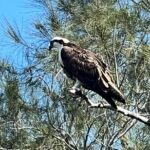
- Pelicans and osprey
- Roseate spoonbills
- Horseshoe crabs
- Gators (occasionally)
- Other small surprises like seahorses in the water
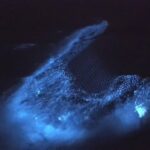
One review mentions bioluminescent jellyfish, which tells me your wildlife spotting can include interesting “rare but possible” things depending on time of year and conditions. (That doesn’t mean it will happen on your trip, but it’s a reminder that nature can surprise you on the water.)
There’s also a subtle benefit here: even when you’re waiting for one animal to show, you’re still learning and looking. Birds, shoreline activity, and occasional movement in the water keep the time from dragging. If you’re a nature-focused traveler, this kind of variety makes the 2 hours feel full.
One more real-world note: if you go on a busier day, you might feel more boat and bank activity around the route. If peace is your goal, consider going at a calmer time rather than the busiest hours.
You can also read our reviews of more tours and experiences in Cocoa Beach

Paddling level and comfort: what moderate fitness actually means
This is not described as a hard-core workout. Most people should be able to handle it with a moderate physical fitness level. That lines up with reviews that call it relaxing and not overly strenuous.
Still, kayaking requires some basic coordination:
- You’ll learn a quick technique, then paddle at an easy pace.
- You may be in a sit-in setup (based on at least one review), so your leg position can feel different than a sit-on style.
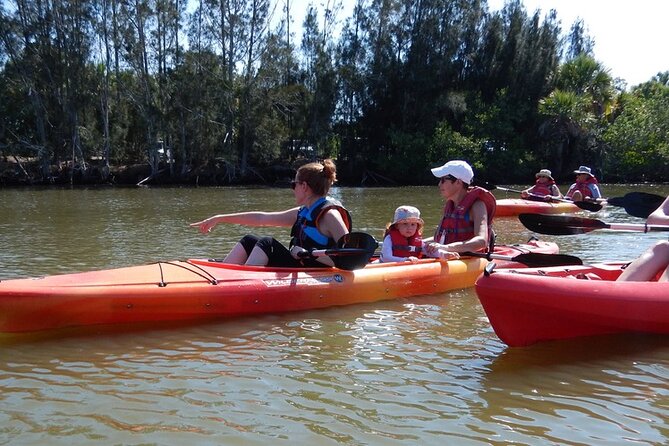
- You might tandem kayak depending on how your group is arranged, and that’s worth thinking about. One reviewer said tandem wasn’t their favorite and they’d prefer a single kayak next time.
The group size also affects your comfort. The tour lists a maximum of 42 travelers, which is the ceiling. In practice, some reviews describe small group outings (including a group of four plus a guide). Either way, the guide’s job is to keep everyone together enough for safety and wildlife viewing, but still let people watch patiently.
If weather shifts—wind, cold fronts, or current changes—good guides adjust route choices. That’s what you want: calm water when possible, and better shelter from wind when conditions get rough.
What to bring: water shoes, towel plans, and better photo habits
This tour gives you the core gear, but you’ll supply the comfort items. Here’s what the provided info recommends, and why it matters:
- Water shoes: because your feet will be wet and you want grip. Sandals and Crocs can work if they’re meant for water.
- Clothes you don’t mind getting wet: splash happens on a kayak, and it’s better than worrying every minute.
- Extra change of clothes: you’ll feel happier heading back after the tour.
- Towel (left in car): this is practical, not glamorous. Dry up fast.
- Bottled water and snacks: a simple way to avoid feeling rushed or wiped out.
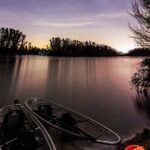
- Camera and dry bag (optional): dry bags can protect gear, but don’t expect perfect magic photos of bioluminescence. For this daytime-style trip, your best photos usually come from steady stillness and a patient eye, not from fast action.
Lighting matters too. You may bring a flashlight, and the tour says a safety light will be provided.
Bug spray and sunscreen are also smart. In reviews, people recommend sunscreen and bug spray, and that’s especially sensible in South Florida where outdoor time can mean sun and insects.
If you hate getting soggy, bring extra layers that dry easily in your car after. You’ll enjoy the wildlife more when you’re not thinking about your discomfort.
Value in your time: why this is more than a quick wildlife stop
The value here is in the combination of access and attention. You’re paying for:
- A guided 2-hour experience
- Kayak, paddle, and PFD
- Commentary that helps you understand what you’re seeing
That matters because wildlife spotting is easier with a guide. The refuge is big. From a kayak, you can’t just wander randomly and expect results. The guide’s ability to read conditions and find wildlife viewing areas is what turns a paddle into a real experience.
It also helps that the tour includes the “right kind” of time. Two hours is long enough to get comfortable, locate animals, and settle into patient watching. It’s not so long that you’re exhausted and cranky before the best part.
The repeated 4.9 rating around 99% recommended signals that most people walk away feeling like they got what they came for: close manatee time plus dolphin and bird viewing when conditions cooperate.
And the guide vibe matters. Humor and personality come up again and again in reviews. Guides like Drew, Zoe, Chas, Carey, and Carl are praised for making the trip fun while still focusing on safety and wildlife etiquette. That’s the kind of balance you want on a nature tour: relaxed, not stiff.
Should you book the manatee and dolphin kayaking encounter?
Book this if you want a calm, wildlife-centered morning with real access to the refuge. This is a strong choice for:
- Families who want an outdoor activity that isn’t a grind
- Couples seeking a peaceful, memorable Florida nature experience
- Nature lovers who appreciate guided interpretation (not just distant viewing)
I’d think twice if you’re extremely sensitive to crowds or noise. The area can have boat traffic and fishermen, and timing can affect the “quiet” feeling.
Also, be honest about your paddling preferences. If you strongly dislike tandem kayaks, look for options that match how you want to sit and control the kayak.
If the big dream is manatees, this tour aligns with that goal. Dolphins are a bonus you might or might not get close to, but the overall experience is designed around the refuge first—and the rest follows.
FAQ
Where does the tour start and end?
The tour starts at Haulover Canal Kayak Launch in Mims, FL and ends back at the same meeting point.
How long is the kayak tour?
The tour runs for about 2 hours.
What’s included with the tour?
You’ll receive a professional guide, kayak, paddle, and lifejacket (PFD).
What should I bring?
Bring water shoes (sandals or Crocs that can be worn in the water), clothes you don’t mind getting wet, a towel you can leave in your car, and an extra change of clothes just in case. You can also bring a camera/dry bag, bottled water, and snacks.
What fitness level do I need?
You should have a moderate physical fitness level.
What is the cancellation rule?
You can get a full refund with free cancellation if you cancel up to 24 hours in advance of the experience start time.