REVIEW · COCOA BEACH
Dolphin and Manatee Kayak and SUP Adventure Tour of Cocoa Beach
Book on Viator →Operated by Three Brothers Boards Dolphin and Manatee Paddle Board Tours · Bookable on Viator
Manatees are closer than you think. On a 2-hour kayak or SUP paddle off Cocoa Beach, I like how the trip mixes an easygoing float with real wildlife learning, so you’re not just looking, you’re understanding what you’re seeing.
My second big win is the practical setup: you show up, get gear and lifejackets, and head out in a small group (max 20). The one real consideration is weather. This is a good-weather water tour, so high winds or storms can cancel or shift things at the last minute.
In This Review
- Key things to know before you paddle
- Cocoa Beach paddle time: what kind of outing this is
- SUP or kayak: the comfort and control trade-off
- Stop 1: Banana River Manatee Refuge and why it’s the main event
- The Thousand Islands Conservation Area pass: small islands, big wildlife payoff
- Guides, pacing, and what you’ll actually learn on the water
- Dolphins, birds, and the reality of wildlife sightings
- Family-friendly water time (and how to make it smoother)
- Price and value: is $65 per person a good deal?
- Logistics that actually matter once you’re there
- Weather, cancellations, and how to plan smarter
- What to bring for a comfy paddle day
- Should you book the Dolphin and Manatee Kayak and SUP Adventure in Cocoa Beach?
Key things to know before you paddle
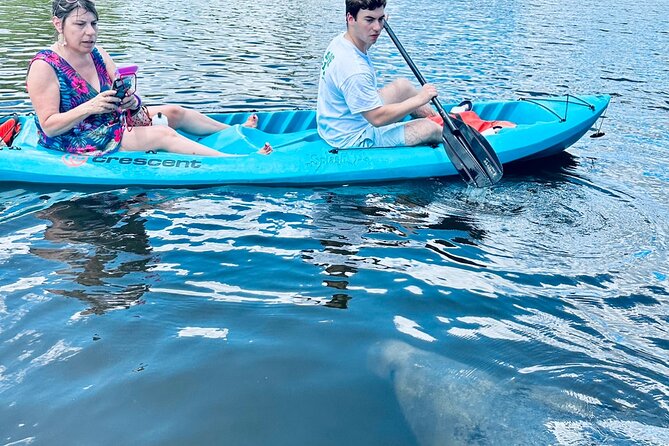
- Two stops, built around wildlife: Banana River Manatee Refuge, plus a pass by Thousand Islands Conservation Area
- Small-group feel: a max group size of 20 keeps it calmer on the water
- Manatees are the star, not a guarantee: conditions can affect sightings, especially in cooler weather
- Learn from your guide: expect local flora and fauna info, plus history and habitat context
- Kids are welcome: if your crew can follow basic safety directions, it’s a good family option
- You’re provided with the basics: SUP boards, one- or two-person kayaks, paddles, and lifejackets
Cocoa Beach paddle time: what kind of outing this is
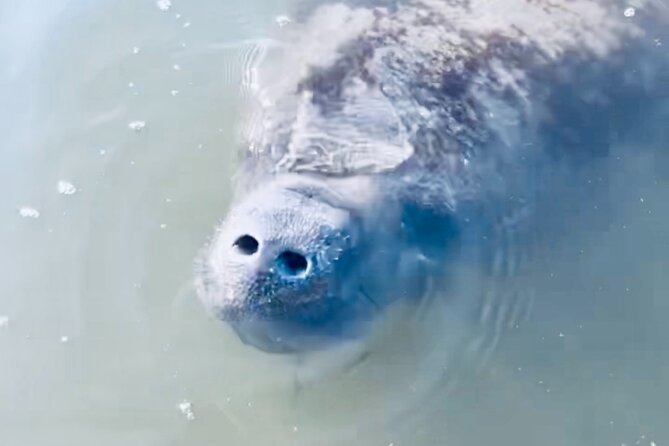
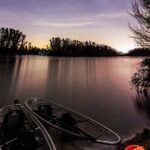
This is not a hard-core endurance paddle. It’s a relaxed, leisurely water outing built for looking closely—at animals, birds, and the plant life that supports the whole food chain. The timing is also friendly: plan on about 2 hours total, with the main stretch focused on the Banana River Manatee Refuge.
That matters because a wildlife trip lives or dies by scanning. If you’re spent from over-effort, you miss the small movements: a bird’s sudden angle, a swirl near a mangrove edge, or that telltale slow glide that can mean manatee.
And yes, it’s Cocoa Beach—so you’ll be on Florida water without needing a long day drive. The meeting point is at 4800 Tom Warriner Blvd, Cocoa Beach, FL 32931, and the tour returns to the same spot.
You can also read our reviews of more dolphin watching tours in Cocoa Beach
SUP or kayak: the comfort and control trade-off
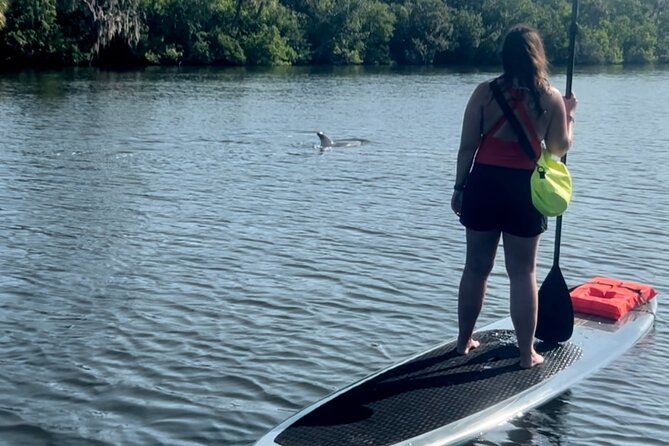
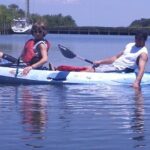
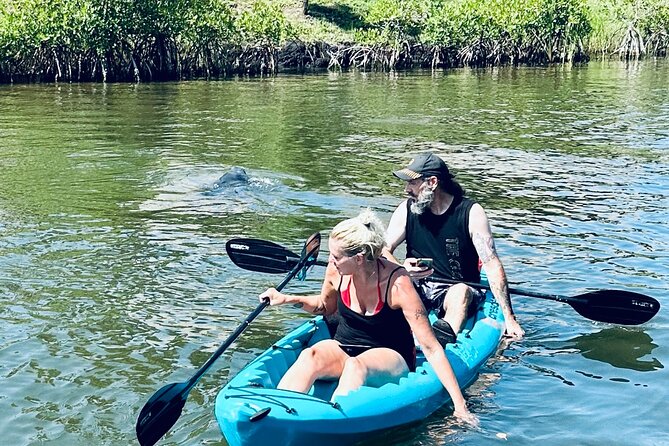
You’ll choose between paddle boards and one- or two-person kayaks (boards and kayaks come with paddles). If you’re new to this, I like that the tour doesn’t force a single “one size fits all” setup. Kayaks tend to feel more controlled for first-timers because you sit lower and can stabilize quickly. SUPs put you higher, which can help with scanning for wildlife.
The lifejackets are provided. That’s huge in Florida sun and open water, because it keeps everyone in the right gear from the start. Also, when you’re watching dolphins pop up (quickly) or tracking movement along the edge of the lagoon, you want your attention on the water—not on figuring out safety.
One more practical point: with a max group size of 20, you’re not wrestling for space. You can keep a steady pace, and you’re less likely to feel like you’re part of a long human chain.
Stop 1: Banana River Manatee Refuge and why it’s the main event
The Banana River Manatee Refuge is where the tour’s focus lands. You’re there for about 1 hour 30 minutes, and this stop’s admission ticket is listed as free.
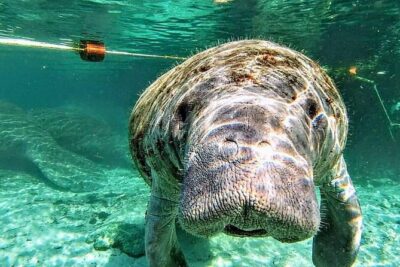
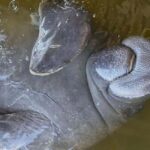
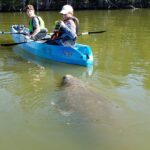
Here’s what makes it special: this is one of the places where you have a real shot at seeing West Indian manatees. The water and the habitat are built around their habits—slow movement, warm-water comfort, and feeding close enough that you can watch without straining.
Why I think this stop is great value: you’re paying for time on the water plus a guided way of understanding it. A good guide helps you read the scene—where the animals tend to be, what bird activity can suggest about nearby food, and how the surrounding plants connect to the ecosystem.
Now, a balanced note. Manatees are wildlife. If conditions are less favorable, you might see fewer. One guide-led trip in cooler weather still delivered plenty of birds and dolphins, but manatees weren’t as frequent as hoped. That’s a good reminder to treat the manatees as the goal, not the only metric of success.
The Thousand Islands Conservation Area pass: small islands, big wildlife payoff
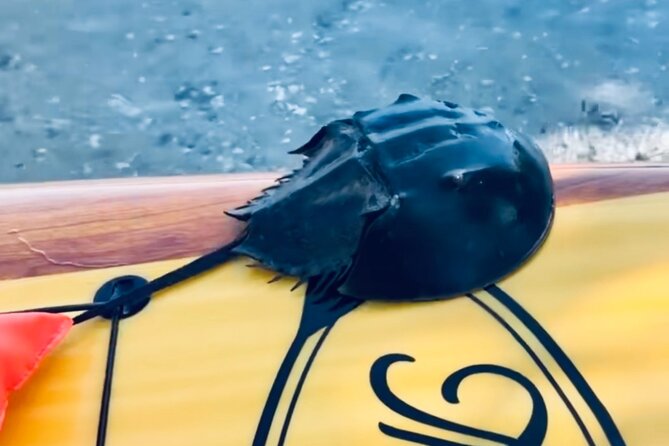
After the main manatee-focused segment, the tour passes by the Thousand Islands Conservation Area for about 30 minutes.
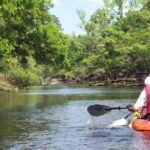
This is a 338-acre area on the Banana River adjacent to Cocoa Beach, made of over 1,000 small islands. Most of these are only accessible by boat or kayak, which is exactly why a paddle tour fits so well. You’re not just looking at wildlife from a distance—you’re moving through the type of waterway this habitat depends on.
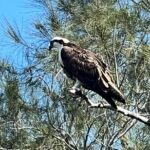
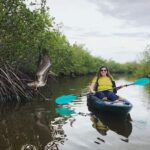
What you might spot here is broad: storks, dolphins, manatees, roseate spoonbills, and even rare and endangered tropical plants. The birds are often the easiest “tell” when you’re scanning. Spoonbills and other wading birds tend to show you where the water is productive.
A practical drawback to keep in mind: because it’s a pass-by segment, this stop can feel shorter than the manatee refuge. It’s best treated as an extra wildlife bonus rather than a second long “anchor” moment.
Guides, pacing, and what you’ll actually learn on the water
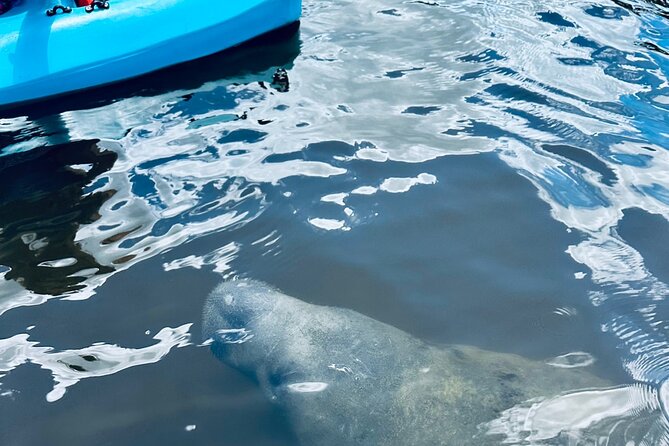
This tour is guided, and the value isn’t just safety. The best part is how guides connect animals to habitat—so you start noticing details that you’d normally miss.
Different guides have run this experience, including Christian, Jack, Roman, and Riley. Across those guide styles, the consistent theme is strong: they’re focused on local flora and fauna, plus practical explanation that helps kids and adults feel confident and engaged. One kid-friendly example from the experience: Jack was patient with children and helped the group understand what they were seeing. Another: Riley combined dolphin and manatee spotting with lots of habitat context, and even pointed out how temperature can change animal behavior.
The pace is intentionally leisurely. That’s a real benefit when you’re trying to enjoy wildlife rather than race to the finish. On a hot day, being on the water can feel like the trade you want—wind, sun, splash, and the relief of movement. One review described the heat but said the water time made it worth it.
You can also read our reviews of more tours and experiences in Cocoa Beach

Dolphins, birds, and the reality of wildlife sightings
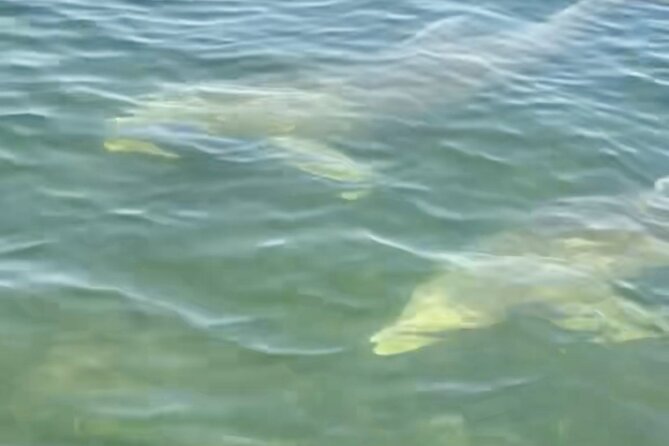
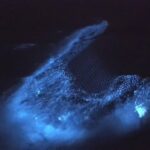
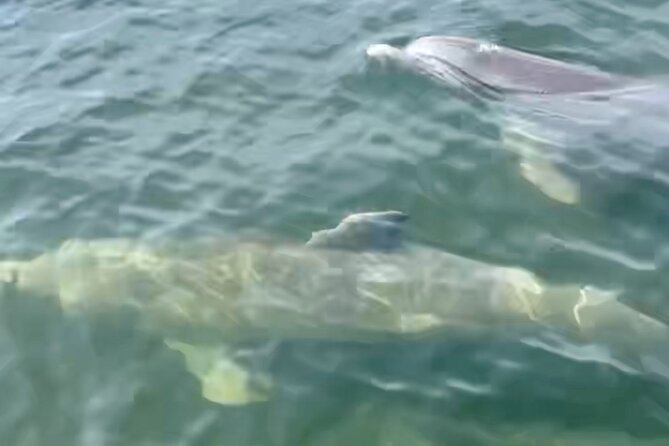
Dolphins are a common highlight here, and you’ll likely spend time scanning for them—fast-moving, surface-breaching, and sometimes close. People also report a wide range of birds, like spoonbills and pelicans, plus other wildlife. Some accounts also include sting rays, puffer fish, even a blacktip shark sighting.
That variety is the promise of a productive lagoon system. But it’s also why you should plan your expectations in a flexible way.
If the manatees don’t show up as much as you hoped, you can still come away with a strong day: dolphins, birds, and the plant life around the islands are real experiences by themselves. And if you’re visiting in cooler weather, know that manatees may be harder to spot consistently. Still, dolphin activity and bird life can stay strong.
My advice: go for the whole picture. A successful paddle day is one where you learn to watch, not just one where you check off a single species.
Family-friendly water time (and how to make it smoother)
Children are welcome, and the tour’s relaxed pace helps families stay calm. Still, you’ll be on the water in a group setting, so it helps if your kids can:
- follow simple safety directions
- stay seated or standing safely (depending on SUP or kayak)
- keep an eye on the guide during stops and turns
Also, bring a mindset that this isn’t a theme park. Wildlife tours can be slow at times. That’s normal. In fact, it’s often when you stop rushing that you notice the smaller action—the way birds react before an animal surfaces, or the subtle movement that hints a manatee is nearby.
One extra perk: some sessions include a rope swing break, which can add a fun, Florida-style moment between spotting. If that’s offered on your day, it’s a great reset for kids and adults.
Price and value: is $65 per person a good deal?
At $65 per person for about 2 hours, this sits in the mid-range of guided wildlife paddling. The value comes from three things that are hard to copy on your own:
- you get guided wildlife education, so you know what to look for
- you’re provided SUP boards or kayaks, plus paddles and lifejackets
- you’re moving through specific habitat areas where sightings are more likely
If you tried to replicate this independently, you’d still need gear, navigation know-how, and a plan for where animals tend to appear. Paying for a guide is what turns the outing from random water time into an informed experience.
A note on what’s not included: gratuity isn’t included in the price. That’s common for tours like this, and it gives you a chance to tip based on service.
Logistics that actually matter once you’re there
This is a mobile ticket experience, and confirmation happens at booking. Service animals are allowed, and the tour is offered in English.
Group size matters here. With a max of 20, you avoid the chaos that can happen in larger “everyone on the water” tours. Smaller groups typically mean more personalized guidance—especially helpful if you’re new to kayaking or SUP.
Also, because it ends back at the meeting point, you don’t need a big travel puzzle after the paddle. You can build the rest of your day around it.
Weather, cancellations, and how to plan smarter
This is where your planning gets real. The tour requires good weather. When conditions aren’t safe—high winds and bad weather—tours can be canceled. In that case, you may be offered a different date or a full refund.
So I suggest you book with buffer time in your Cocoa Beach schedule. If your vacation is tight and this is your only open slot, consider keeping another half-day in reserve. Wildlife is the goal, but the water is the stage, and safety comes first.
What to bring for a comfy paddle day
The tour provides boards/kayaks and the safety basics. For you, think comfort and practicality:
- water-friendly shoes (so you’re not stuck in slick sandals)
- sunscreen and a hat (Florida sun moves fast)
- a dry bag for phone and keys
- a refillable water bottle
- a towel or spare shirt for after
If you’re prone to sunburn, plan as if it’s going to be bright, because you’ll be outside for close to two hours.
Also, remember that in cooler months, wildlife patterns can change. You might not see the same number of manatees, but you can still have a great day if you’re open to the birds, dolphins, and overall lagoon activity.
Should you book the Dolphin and Manatee Kayak and SUP Adventure in Cocoa Beach?
If you want a guided paddle focused on manatees, dolphins, and lagoon wildlife, this is a very strong pick. I’d recommend it especially if you:
- like nature explanations, not just scenic time
- want a family-friendly water activity
- appreciate a small group and a leisurely pace
- would rather pay for gear and local knowledge than figure it all out yourself
Skip or reconsider if your schedule is inflexible. Weather can affect the trip, and wildlife sightings can vary—especially for manatees in cooler periods. But if you can handle the natural ups and downs of a wildlife outing, this tour gives you a rare chance to paddle through a manatee-focused habitat and come away with stories that go beyond a quick photo.