REVIEW · COCOA BEACH
Thousand Islands Bioluminescent Kayak Tour with Cocoa Kayaking!
Book on Viator →Operated by Cocoa Kayaking · Bookable on Viator
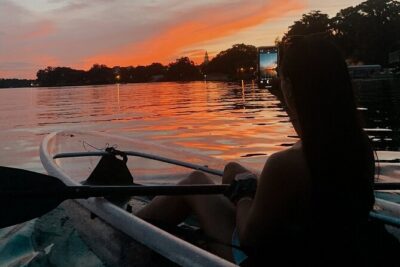
Dark water. Bright surprises. This Cocoa Beach kayak outing is built around bioluminescence in the Thousand Islands area, where a paddle splash can turn the water electric, and glow-in-the-dark comb jellies may show up.
I especially like two things: the small group format (max 10 people) that keeps the experience hands-on, and the timing focus on peak glow windows during July through mid-October, with new moon nights preferred for the strongest effect.
The big catch is that the glow depends on nature. Bioluminescent organisms can fluctuate with the currents, and the tour notes that brightness can be different than you hoped, with no refund if the bioluminescence doesn’t match your preference.
In This Review
- Key Highlights You’ll Care About
- How Bioluminescence Works Here (And Why Timing Matters)
- The Value Question: $150 for a 2-Hour Night Paddle
- Getting There and Getting Ready at Cocoa Beach
- The Kayak Portion: Paddling Through the Thousand Islands of Coach Beach
- The Main Event: When the Water Starts to Glow
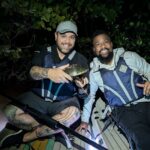
- Wildlife Chances: Dolphins, Fish, and an Alligator
- What to Wear (So You Stay Warm, Dry-ish, and Un-eaten)
- Comfort and Small-Group Dynamics
- Managing the One Real Risk: Glow That Isn’t as Bright as You Hoped
- Tips I’d Use to Get the Best Night Out of It
- Should You Book This Cocoa Beach Bioluminescent Kayak Tour?
- FAQ
- How long is the Thousand Islands bioluminescent kayak tour?
- Where does the tour start and end?
- What’s included in the price?
- When is the best time of year to see the glow?
- What moon phase is best for bioluminescence?
- What group size should I expect?
- What happens if the weather cancels the tour?
Key Highlights You’ll Care About
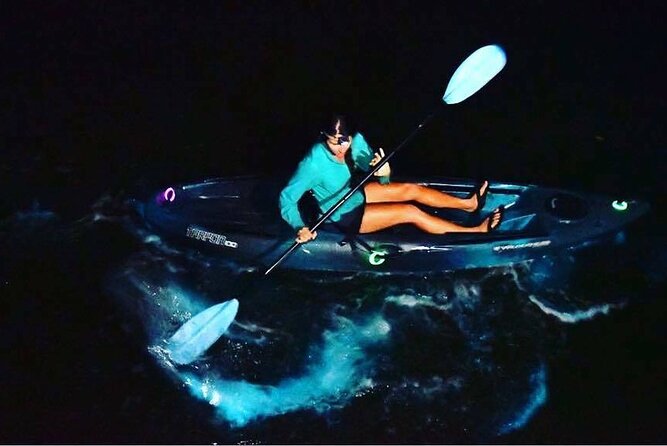
- New moon nights are the play for stronger bioluminescence
- Comb jellies (glow-in-the-dark jellyfish) are a possible highlight, not a guaranteed trick
- Max 10 paddlers means more personal help getting in, paddling, and staying safe
- You’ll paddle through the Thousand Islands of Coach Beach by kayak, not just watch from shore
- Glow intensity can change with tides and currents, so manage expectations
- Guides by name like Jeff, JD, Ian, Marcus, Chris, and Capt. Michael show up often in guest stories
How Bioluminescence Works Here (And Why Timing Matters)
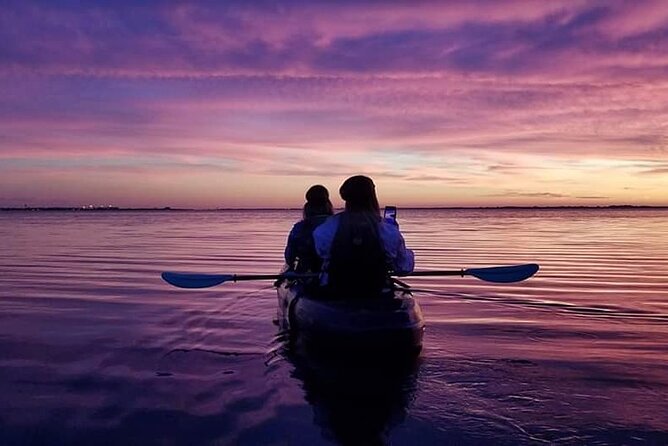
This tour is all about seeing living light in the water. Depending on conditions, you may see glowing dinoflagellates and other bioluminescent organisms that react when they’re disturbed by your paddle, hands, or nearby movement.
The operator is very direct about timing: the best season is July through mid-October, and the best moon phase is new moon. That matters because bright moonlight can make the glow harder to notice. In plain terms, you want it dark enough for the water to look like it’s coming alive.
There’s also a realistic warning built into the experience: bioluminescent organisms move with tropical and cooler currents, so the glow can vary from one moment to the next. If you’re the type who expects a guaranteed firework show, you’ll want to adjust your mindset toward a nature-hunt. The upside is that when it does happen, it’s the kind of thing that stays in your memory.
You can also read our reviews of more tours and experiences in Cocoa Beach
The Value Question: $150 for a 2-Hour Night Paddle
At $150 per person for about 2 hours, you’re paying for three main things: guided spotting in a specific area, a guided night-water experience, and the included gear (kayak, paddle, lifejacket).
You also benefit from the fact that the group is capped at 10 travelers. In a bigger group, you can spend half your time waiting. Here, you’re more likely to get quick help getting in and out and to spend more time actually paddling and hunting the glow.
One thing to budget for: bottled water isn’t included, and the tour specifically asks you to bring water. It’s also smart to bring your own bug repellent, even if you think you might rely on what’s provided. Florida mosquitoes are not subtle, and one guest even said that extra help with repellent came in handy.
So is it good value? If your priority is a rare night experience where your paddling can physically trigger the glow, it’s a solid choice. If your priority is predictable lighting like a theme park, you may feel underwhelmed by how nature can behave.
Getting There and Getting Ready at Cocoa Beach
The tour meets at ATM5000 Tom Warriner Blvd, Cocoa Beach, FL 32931 and ends back at the same spot. That round-trip format keeps things simple: you’re not left wondering how to get back after you’re done.
In terms of comfort and real-world pacing, plan to arrive with a little slack in your schedule. The experience runs about two hours, and night departures mean you’ll be moving in low light. It helps to show up ready to gear up without needing extra rummaging.
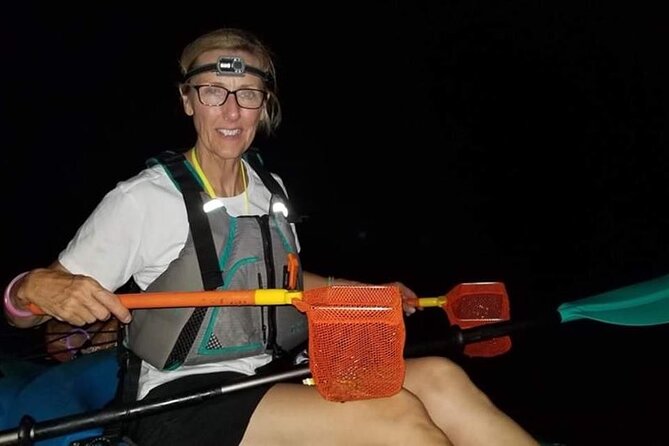
The practical gear situation is straightforward: the operator provides the kayak, lifejacket, and kayak paddle. What you supply is mostly what keeps you comfortable after dark:
- water (since it’s not included)
- bug spray (highly recommended)
- clothes that can get wet
Also, since this is an evening activity, you should expect that you’ll be out in the elements. One recurring theme in guest stories is that people come home smelling like sunscreen and mosquito spray, not because it was glamorous, but because it was real water time.
The Kayak Portion: Paddling Through the Thousand Islands of Coach Beach
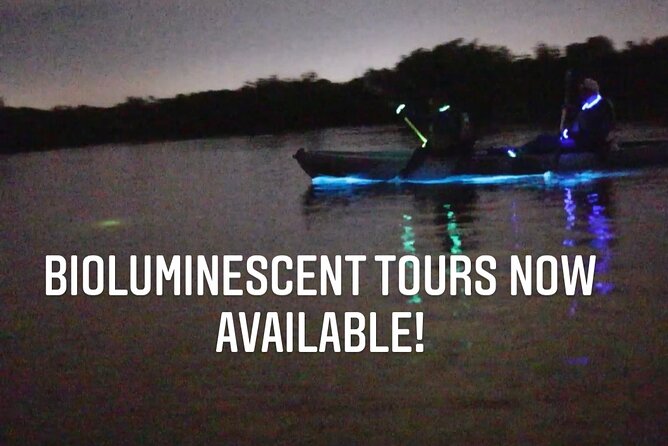
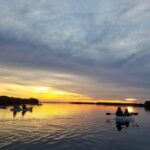
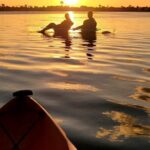
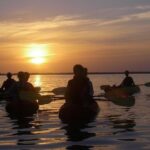
Once you’re launched, the experience becomes a moving hunt. You’ll paddle through the Thousand Islands of Coach Beach area, looking for the spots where the bioluminescence is most noticeable.
This part is not about speed. You’re on the water at night, and the goal is calm control—staying steady while you explore patches of water. Your paddling creates gentle disturbance, and that’s part of what can make the glow show itself.
Some guest notes point out how guides handle the pacing. In a few accounts, the guide kept explanations minimal once the group was settled, which actually made the whole thing feel quieter and more serene. In other words: if you’re someone who enjoys dark-water calm, you may appreciate a lower-talk approach. If you want constant narration, you can ask questions; guides have been described as patient and helpful when people did ask.
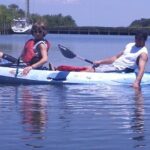
The experience is also set up for safety and assistance. Multiple accounts highlight guides helping people in and out of the boats and staying attentive when kids are aboard. If you want a night paddle that feels supported rather than you being left to figure it out, that’s a big reason to choose this style of guided tour.
The Main Event: When the Water Starts to Glow
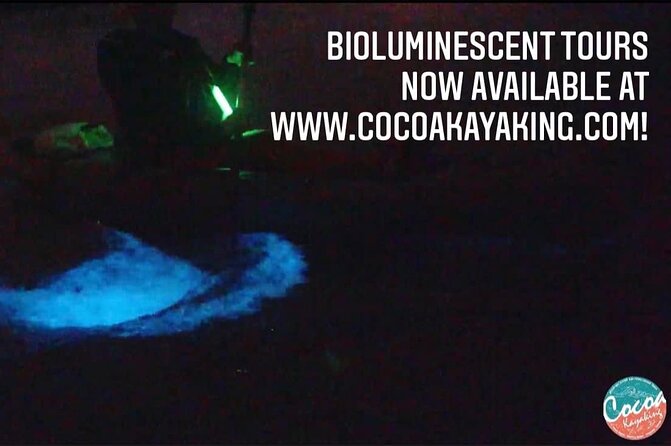
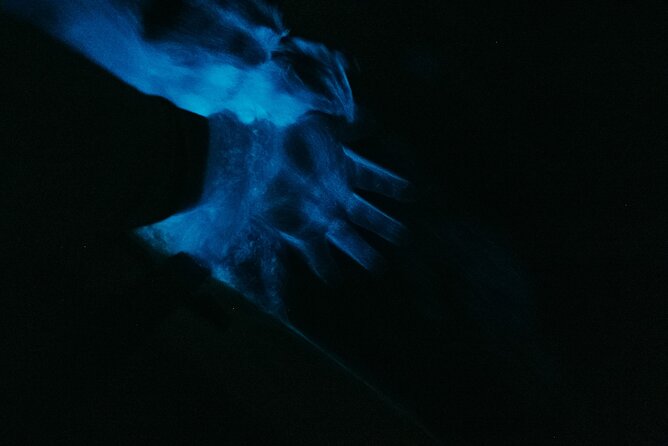
This is the moment you’re paying for: when your paddle, hands, or the nearby water reacts and turns into a glowing trail or flicker. People describe it as playful and surprising—like the water is responding to your movement.
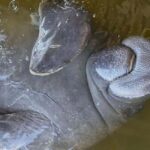
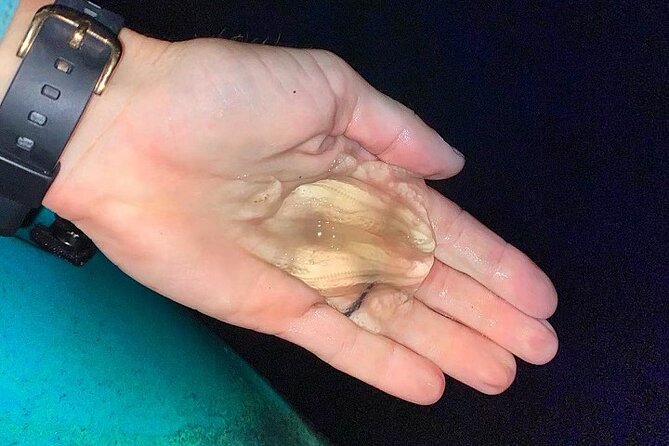
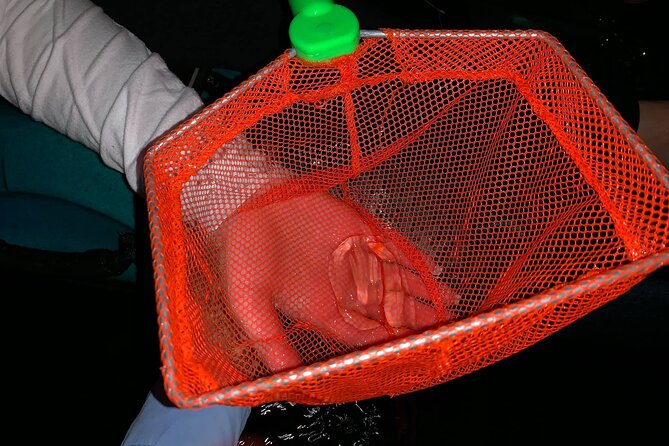
There’s also a special potential bonus: bioluminescent comb jellies. These are sometimes called jellyfish, though they’re a different kind of organism. The tour specifically mentions possible sightings, and guest stories back it up with descriptions of glowing jellies you can see in the water and, on some nights, handle delicately.
Important mindset: you’re not controlling the glow. The operator even explains that organism behavior can fluctuate. That’s why the new moon recommendation is so central—nothing is guaranteed, but conditions can strongly affect visibility.
If you’re trying to maximize your chances on the water, focus on staying calm and following the guide’s lead to different spots. Since the organisms can move with the current, exploring multiple areas is part of how you improve what you see.
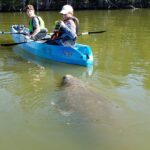
Wildlife Chances: Dolphins, Fish, and an Alligator
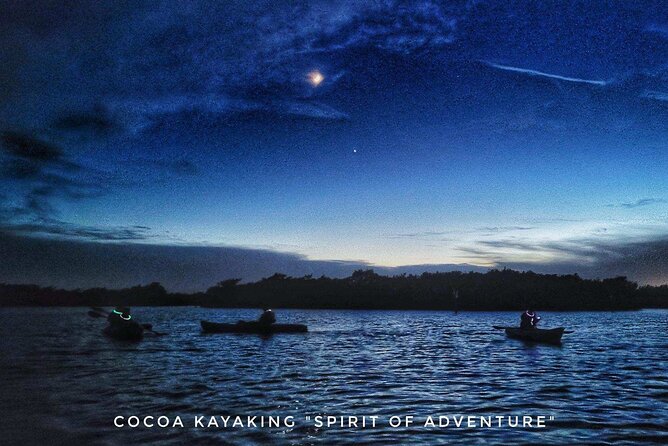
Bioluminescence is the headline, but wildlife can show up in the same dark-water drama.
Some guests report:
- dolphins circling or passing nearby
- jumping fish during the paddle
- an alligator sighting
None of this is promised in the tour description, so don’t plan your night like a safari. But it’s a nice reminder that this isn’t just a glow demo. You’re out on real water where real animals also roam, and a guide who understands the area can often help you notice them.
What to Wear (So You Stay Warm, Dry-ish, and Un-eaten)
Here’s where people either have fun or they spend the night swatting. Florida at night can mean mosquitoes, wet gear, and cooler air than you expect.
Based on practical guest tips, I strongly recommend:
- long sleeves and long pants that you’re okay with getting wet
- loose clothing that doesn’t restrict paddling
- closed-toe water shoes (or something you can trust if you splash)
- insect repellent applied before you leave shore
Some accounts even mention that keeping clothing loose and long helped reduce mosquito attention. Also, if you’re worried about being too cold, layer. You’re on water, and even in warm months it can feel cooler once it’s dark.
And yes, be ready to get wet. Even without capsizing, splashes are part of kayaking at night. If you pack like it’s a museum visit, you’ll have a bad time. If you pack like it’s a wet adventure, you’ll feel right at home.
Comfort and Small-Group Dynamics
The group size cap at 10 travelers is more than a number. It changes the whole feel of the tour.
In a small group, you’re more likely to:
- get quick help when learning the kayak rhythm
- hear safety instructions clearly
- spend less time waiting for someone to catch up
- get guided attention when kids are aboard
Some guest accounts also highlight the guides as patient with families. One family described their guide as very supportive with multiple kids of different ages, which is exactly what you want on a night paddle.
One practical note to take seriously: restroom availability at the meeting area may be limited. I’d plan as if facilities might not be easy to use before you launch. If you can handle that, you remove a tiny stress that otherwise grows in the dark.
Managing the One Real Risk: Glow That Isn’t as Bright as You Hoped
Let’s talk about the elephant in the moonlight: bioluminescence can be subtle some nights.
The operator sets expectations upfront. The glow can fluctuate because these organisms are living things responding to currents. They also state that there’s no refund if the bioluminescence isn’t at your preference.
Does that mean the tour is a gamble? Kind of, but in a normal-nature way, not a bait-and-switch way. You’re choosing an outdoor experience that changes with the environment. The new moon timing recommendation is their way of stacking the odds in your favor.
If you want a good strategy, it’s this: book for the strongest window you can (new moon, July–mid October), follow the guide to multiple spots, dress for comfort, and treat the glow like a bonus that might surprise you in both the bright and softer moments.
Tips I’d Use to Get the Best Night Out of It
Here’s my simple playbook, pulled from what guests highlight and what the tour is designed to do:
- Pick new moon if you can.
- Go during July through mid-October for the best chance.
- Bring water, even if you think you won’t need it.
- Wear long sleeves and long pants that can get wet to handle mosquitoes.
- Use your own bug repellent first, then reapply if you’re out long enough.
- Stay flexible. The guide may move you to different areas as the glow changes.
- If you spot comb jellies, follow the guide’s cues for handling—think gentle, not grabby.
Also, if you’re expecting a constant narration, don’t. Some guides can keep things quieter so you can enjoy the dark-water calm. Ask questions when you want them, and let the night do its thing.
Should You Book This Cocoa Beach Bioluminescent Kayak Tour?
I’d book this if you want an authentic night adventure where the star is the water itself, not lights on a schedule. The small group size, the included kayak gear, and the seasonal/new moon focus all help you chase the strongest odds.
I would not book it if your idea of a good tour is guaranteed brightness and consistent showmanship. Nature does not run on ticket scanners. Some nights will be stunning; some will be more subtle. The operator is honest about that, and they even frame it as living organisms reacting to conditions.
If you’re traveling with kids, this can be a great fit too, because guides have shown patience with younger paddlers and families. Just make sure you’re ready for wet, bug-friendly clothing and a calm night rhythm.
My final take: if you’re the type who enjoys outdoors, night skies, and the feeling of spotting something rare, this is a memorable choice in Cocoa Beach.
FAQ
How long is the Thousand Islands bioluminescent kayak tour?
It lasts about 2 hours.
Where does the tour start and end?
It starts at ATM5000 Tom Warriner Blvd, Cocoa Beach, FL 32931, USA and ends back at the same meeting point.
What’s included in the price?
You get the kayak, paddle, and lifejacket. Bottled water is not included.
When is the best time of year to see the glow?
The tour is seasonal only, best booked July through mid-October.
What moon phase is best for bioluminescence?
The strongest glow is recommended during the new moon.
What group size should I expect?
The tour has a maximum of 10 travelers.
What happens if the weather cancels the tour?
The experience requires good weather. If it’s canceled due to poor weather, you’ll be offered a different date or a full refund, and you’ll receive weather-related email updates (including about 1 hour prior if needed).