REVIEW · ORLANDO
Orlando: Museum of Illusions Admission Ticket
Book on GetYourGuide →Operated by Museum of Illusions Orlando · Bookable on GetYourGuide
Your eyes argue with your brain at this museum. Museum of Illusions sits at ICON Park on International Drive, and it turns everyday perception into hands-on play through optical, photographic, and interactive exhibits. I particularly love how the place engineers quick, laugh-friendly photo moments in the Infinity Room.
The second thing I really like is that it’s not just flat optical tricks. You’ll face-off with the Reverse Room (gravity-defying poses) and the Ames Room (size-bending illusions) while learning why your eyes and brain don’t always match. It’s a fun, family-friendly way to understand the science behind what you see.
One heads-up: the visit can feel short, and a few people report feeling lightheaded after the visual experiments. If you’re sensitive to dizziness, take breaks and move slowly between the most intense rooms.
In This Review
- Key highlights you should actually plan around
- Where ICON Park Puts the Impossible in Orlando
- Your $31 Ticket: What You Get (and What You Don’t)
- How the Museum Works: Optical, Photographic, Interactive Zones
- The Infinity Room Photo That Breaks Perspective
- Reverse Room and Ames Room: Gravity and Scale Tricks
- Reverse Room
- Ames Room
- Science Meets Play: Why Your Brain Misreads What You See
- Timing It Right on International Drive (and What to Pack)
- What to bring
- Parking and location
- Staff Help, Photo Requests, and Dizziness Considerations
- Who Museum of Illusions Orlando Is Best For
- Should You Book Museum of Illusions Orlando?
- FAQ
- Where is Museum of Illusions Orlando located?
- How much is the admission ticket?
- How long is the experience?
- How many exhibits are included?
- What are the main illusion rooms to look out for?
- Is food and drink included with the ticket?
- Is the museum wheelchair accessible?
- Can I cancel my booking and get a refund?
- Is the ticket valid for any day during my trip?
- Is there parking nearby?
Key highlights you should actually plan around
- 50+ exhibits focused on vision, perception, and the science of misreading reality
- Infinity Room built for impossible perspective photos
- Reverse Room for gravity-defying poses and hands-on “wait, what?” moments
- Ames Room that changes scale so people look taller or smaller
- Interactive design that works for both adults and kids
- Helpful staff who can assist with what to do, and can take photos when you ask
Where ICON Park Puts the Impossible in Orlando
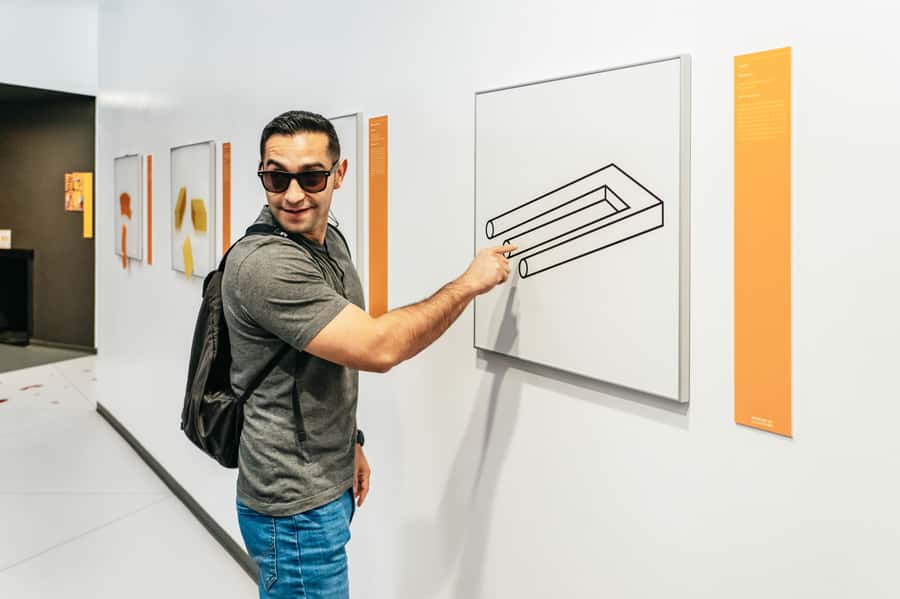
Museum of Illusions Orlando is located in the heart of International Drive, inside ICON Park. That matters because you’re not crossing the city for a niche stop; you can pair this with other International Drive plans with less friction.
It’s also an indoor museum, which is a big deal in Orlando. You get out of the heat and still get the “I can’t believe this is real” payoff. The museum’s whole concept is built on a simple idea: your eyes collect information, but your brain is the one that interprets it. When those two disagree, you get the fun stuff.
If you’re the type who enjoys visual puzzles, this is a relief. You’re not stuck reading theory all day. The exhibits are designed so you can test your own perception in real time—then watch it break in front of you.
You can also read our reviews of more tours and experiences in Orlando



Your $31 Ticket: What You Get (and What You Don’t)
Admission runs $31 per person, and it includes local taxes and fees. You’re also getting entry to the museum covering all 50 exhibits, so it’s not one of those “pay again for the next wing” situations.
That coverage is where the value comes from. You’re paying once for a full set of illusions rather than picking only a few attractions. For many people, that turns this into a good “short stop” you can still feel good about.
The one clear add-on: food and drink are not included. So plan to eat before or after, or bring what you need. Since the museum is focused on active viewing and photo stops, I’d treat it like a light activity day where snacks aren’t part of the ticket price.
Also, tickets are valid only for the date booked, so don’t buy this as a vague “sometime this trip” option. Pick your day, then build your schedule around it.
How the Museum Works: Optical, Photographic, Interactive Zones

This museum is built around three overlapping themes: optical illusions, photographic illusions, and interactive areas. In plain terms, that means you’ll do more than look at pictures on walls. You’ll move, pose, and react—often with your phone camera as part of the experiment.
Most of the exhibits are designed to make you question a basic assumption: that your sight equals reality. In each room, the museum nudges you into a specific kind of mistake—an error in depth, scale, perspective, or motion.
A practical tip: if you want the best photos, slow down once you reach each “photo-ready” space. The whole point is that your brain needs time to notice what’s wrong. If you speed through, you’ll still have fun, but you might miss the moment when the illusion clicks.
The Infinity Room Photo That Breaks Perspective
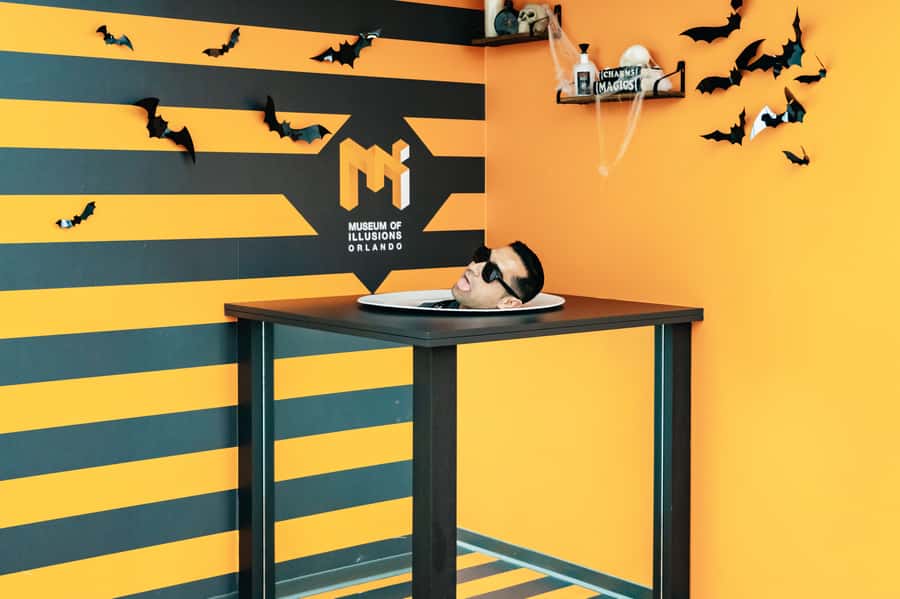
The Infinity Room is the headline for a reason. It’s the space where the museum turns perspective into a photo trick that looks way too perfect to be real.
Here’s what to expect: you’ll step into a long visual corridor effect, with reflections and lighting that make the space look deeper than it should. The result is an image that feels like an impossible hallway extending forever. It’s not just a pretty background; it’s an illusion engineered to fool both your sense of distance and your camera’s framing.
If you love taking pictures during activities, this is your moment. The museum’s design makes it easy to get a strong shot by repeating the pose a couple of times. Don’t rush one photo and move on. Take a few seconds to try slight angle changes so you capture the “infinity” effect at its strongest.
One more practical note: this room is also popular. Expect a short rhythm of waiting and moving, especially during busier periods. I’d treat it like a photo booth with extra physics—finish, then step aside so the next person can try their turn.
Reverse Room and Ames Room: Gravity and Scale Tricks

Two rooms do the heavy lifting for the mind-bending factor: the Reverse Room and the Ames Room.
You can also read our reviews of more museum experiences in Orlando






Reverse Room
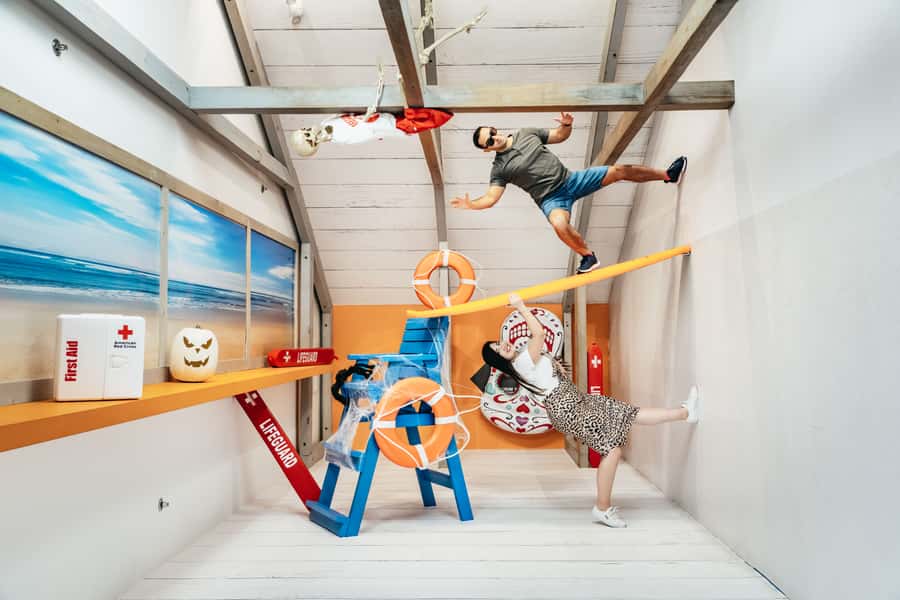
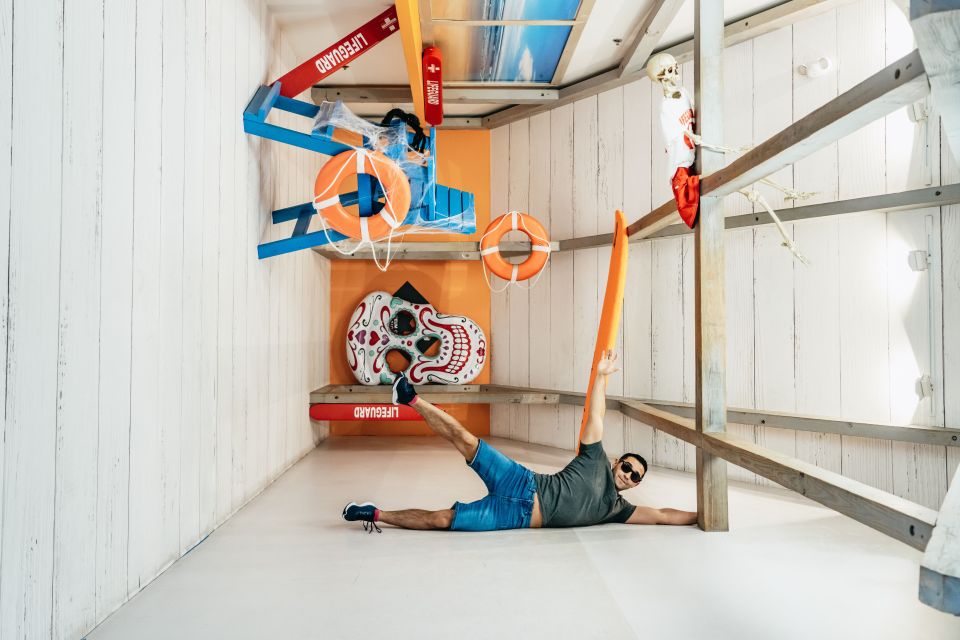
The Reverse Room is built around the idea of “gravity defied.” That’s not just marketing language; the experience is designed so your body’s normal expectations don’t line up with what you see. When you pose here, it can feel like the room is turning you into a puppet with physics switched off.
If you’re the type who likes energetic, hands-on moments, you’ll probably get a lot of satisfaction here because you can actively participate. You’re not just observing; you’re creating the illusion by how you stand, move, and frame yourself.
Ames Room
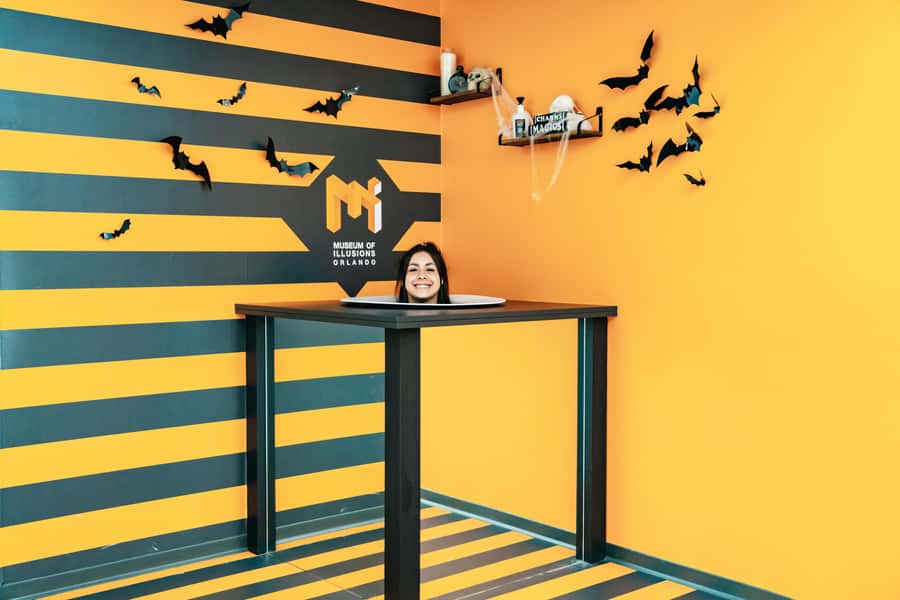
The Ames Room is all about scale. This is where people can look dramatically taller or smaller depending on where they stand. It’s one of the quickest ways to see how perspective can rewrite perceived proportions.
This room is especially good for family groups and friends because it creates instant, shareable comparisons. It also works as a reality check: you realize how much your brain relies on context cues—then watches those cues get manipulated.
A safety-minded note: if you’re prone to dizziness, move calmly in these rooms and pause if you feel off. One of the most common caution themes in the feedback is feeling lightheaded after a few intense illusions.
Science Meets Play: Why Your Brain Misreads What You See

What I like about this museum is that it doesn’t treat illusions like pure comedy. It also takes time to connect the experience to vision, perception, and the human brain.
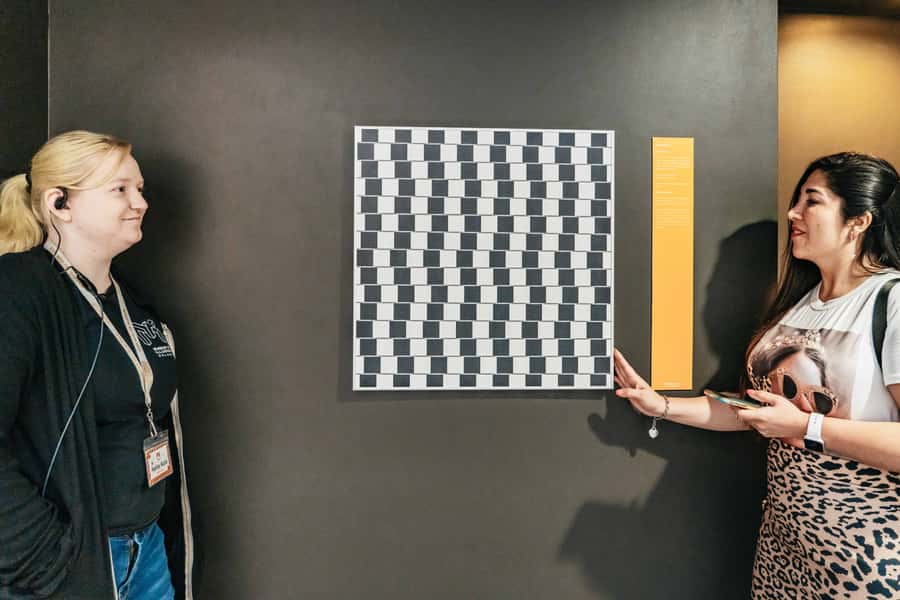
You’ll notice this in the way the exhibits are grouped by effect. Some rooms focus on how your eyes measure edges and contrast. Others push on how your brain estimates depth and distance. Others are about how scale makes your brain “believe” proportions—even when they’re wrong.
That’s why the museum can feel entertaining and educational at the same time. You leave with pictures and laughs, but you also walk away with a better sense of how perception works in everyday life.
And it’s a good reminder for kids and adults alike: your eyes are sensors, but your brain is the editor. Change the input—or the context—and you change the story your brain tells you.
Timing It Right on International Drive (and What to Pack)
The ticket is for one day, and it’s easy to treat this as a short “do it now” stop rather than a long half-day commitment. Some people find the experience doesn’t take all day, which is exactly why it fits well into an itinerary.
So think about timing like this: schedule it when you have energy to pause for photos. If you plan it as an end-of-day filler, you might rush. If you plan it as an early or mid-day activity, you can enjoy the slower moments—like redoing a pose in the Infinity Room or enjoying the perspective experiments without fatigue.
What to bring
- A phone or camera (the museum is built for photo illusions)
- Comfortable shoes for indoor walking
- Time for snacks elsewhere since food and drink aren’t included
- A little patience for the most popular photo rooms
Parking and location
You’ll find a free parking garage nearby, which helps a lot if you’re driving. Since the museum is on International Drive, you also avoid the “where do we park?” stress that can drain an afternoon.
Staff Help, Photo Requests, and Dizziness Considerations
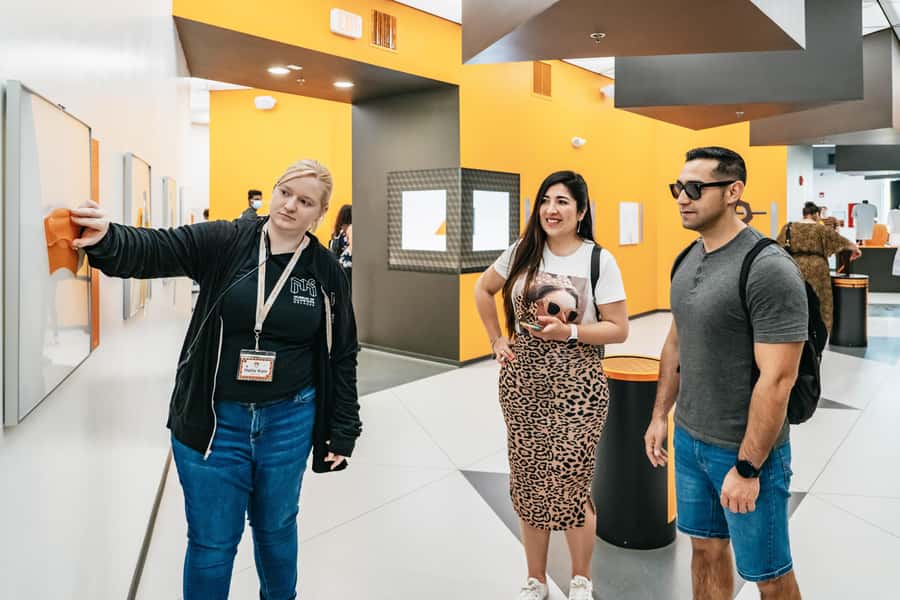
One of the most consistently praised parts is the helpfulness of the staff. They tend to explain what to do in each area and can help with photo moments when you ask.
That’s important because illusion rooms can feel tricky if you don’t know the intended way to stand or frame yourself. When staff guidance is available, you’re more likely to get the full effect—and walk out with photos that actually match the illusion.
There’s also a helpful rhythm issue to consider. Some feedback suggests that popular rooms sometimes need better pacing so everyone gets a fair chance. In practice, that means you should be ready to move on after you’ve captured what you want.
And yes, there’s one more consideration: a few people report feeling lightheaded after the illusions. The museum is visually intense, and your brain is working overtime. If you start feeling “off,” take a breather, slow your movement, and step out of the busiest photo spaces for a moment.
Who Museum of Illusions Orlando Is Best For
This is one of those attractions that works in a few different scenarios:
- Families with kids: The hands-on, laugh-driven rooms are easy for children to enjoy, and adults can join without needing extra context.
- Couples and friends: It’s basically a photo playground with built-in conversation starters.
- People who like science without the classroom: You get a light educational layer tied directly to what you experience.
- Rainy-day or heat-day planning: Since it’s indoor, it’s easier to slot into weather-proof travel.
If you’re traveling with mixed ages, this place is a strong choice because it gives everyone a role. Kids can pose and experiment. Adults can watch the logic of perception unfold. Everyone gets pictures.
Should You Book Museum of Illusions Orlando?
I’d book it if you want a fun, photo-friendly indoor experience that teaches you something without a long commitment. The single ticket price that covers all 50 exhibits makes it feel straightforward and fair, especially if you’re the type to enjoy multiple chances at the big photo rooms.
Skip it (or keep your expectations simpler) if you’re worried about visual dizziness or you prefer attractions that take up most of your day. This is more of a concentrated stop than an all-day marathon. If you’re okay with that, you’ll probably love how quickly the museum delivers laughs, brain-twisting moments, and memorable photos.
FAQ
Where is Museum of Illusions Orlando located?
It’s located at Museum of Illusions Orlando, in the ICON Park area on International Drive in Orlando, Florida.
How much is the admission ticket?
The price is $31 per person.
How long is the experience?
The ticket is valid for 1 day, and the museum visit itself is designed as a short activity rather than a full-day tour.
How many exhibits are included?
Your admission includes access to all 50 exhibits.
What are the main illusion rooms to look out for?
Highlights include the Infinity Room, the Reverse Room, and the Ames Room, plus other areas focused on vision and perception.
Is food and drink included with the ticket?
No. Food and drink are not included.
Is the museum wheelchair accessible?
Yes, the museum is wheelchair accessible.
Can I cancel my booking and get a refund?
Yes. You get free cancellation up to 24 hours in advance for a full refund.
Is the ticket valid for any day during my trip?
No. Your ticket is only valid for the date you booked.
Is there parking nearby?
Yes. There is a free parking garage nearby.