REVIEW · COCOA BEACH
Bioluminescent Clear Bottom Kayak or Paddleboard Sit-On-Top Kayak Hybrid Tour!
Book on Viator →Operated by Cocoa Kayaking · Bookable on Viator
The water looks alive at night. This bioluminescent tour pairs a clear-bottom kayak view with night paddling on the Indian River Waterway, so you can actually watch the glow as you move.
I also like how hands-on it feels. You’re not just passively hoping for light; you’re paddling, disturbing the water, and that’s what brings the glow to life below you.
One thing to plan for: mosquitoes. It’s Florida at night, so you’ll want serious repellent and a willingness to get damp (especially if you end up in the shallows).
In This Review
- Key highlights you’ll feel right away
- Why Cocoa Beach’s waters glow: the bioluminescence you’re hunting
- Your paddling setup: clear-bottom kayak hybrid plus dry bags
- The 1.5-hour flow: launching on Merritt Island’s Indian River Waterway
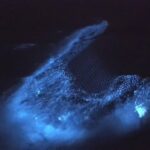
- What the glow looks like when your paddle actually hits
- Mosquitoes, warm nights, and why repellent is part of the ticket
- Wildlife and education: why the guide matters on a night like this
- Price and value: is $150 for 1.5 hours worth it?
- Who should book this bioluminescent kayak tour
- Should you book this Cocoa Beach bioluminescent kayak tour?
- FAQ
- How long is the bioluminescent clear-bottom kayak tour?
- Where does the tour start and end?
- Is pickup available?
- What’s included with the tour?
- Is bottled water included?
- What language is the tour offered in?
- What size is the group?
Key highlights you’ll feel right away
- Clear-bottom viewing: You can see what’s glowing beneath your kayak as you paddle.
- Bioluminescence targets: Look for glowing plankton and comb jellies when the water is stirred.
- Small group size: The tour tops out at 12 travelers, which helps you stay oriented on the water.
- Guides make or break it: First-timers get solid instruction, and guides like Chayse, Mike, Jeremiah, and Noah bring real energy to the night.
- Plan for bugs and splash zones: Mosquito repellent is a must, and many paddling spots can be a few feet deep.
Why Cocoa Beach’s waters glow: the bioluminescence you’re hunting
This tour is built around one simple idea: at night, the living stuff in the water reacts to movement, and you get that blue spark when you disturb it. On this paddle you’re searching the Indian River Waterway for bioluminescence caused by glowing plankton and comb jellies. When it works, it looks like the water has its own lightning-bug circuitry.
Florida is one of only a few places in the U.S. where this is reliably seen, which is why people treat the experience as a short-trip “only-here” moment. In practice, that means timing matters. The glow is strongest when conditions are right and the water is dark enough for your eyes to adjust. That’s also why this isn’t a daytime stroll. You’re paying for the night show, not daylight scenery.
And there’s a bonus you’ll notice quickly: the water feels calmer than you expect. On an evening paddle in an estuary-like waterway, your pace is slow, your hands are on the paddle, and the glow shows up as a reaction to each stroke. It’s oddly relaxing for something that sounds intense.
You can also read our reviews of more tours and experiences in Cocoa Beach
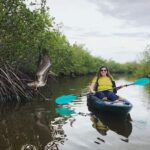
Your paddling setup: clear-bottom kayak hybrid plus dry bags
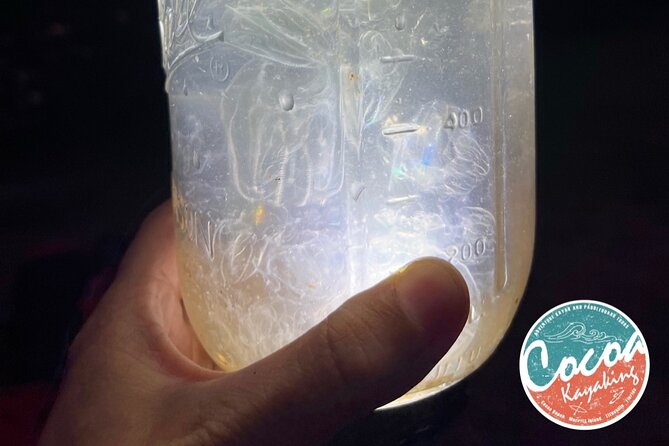
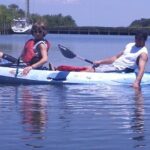
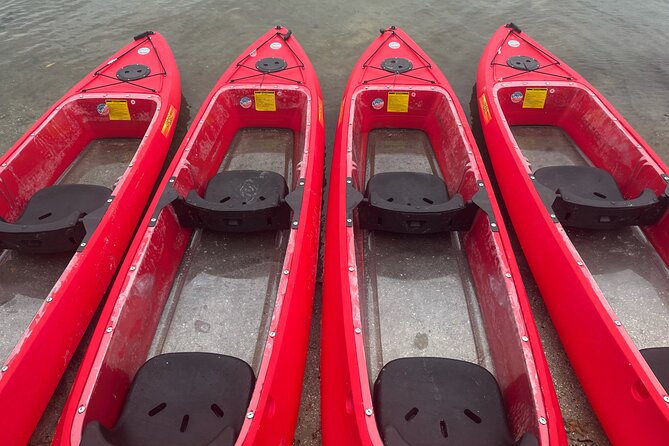
You’ll go out on a clear-bottom kayak experience. The tour is described as a clear-bottom kayaking option with a sit-on-top kayak hybrid style, so you’re not stepping into a dark, mysterious boat. You can see the water directly under you, which is the whole point.
Here’s what you should count on being provided:
- Kayak and paddle
- Lifejackets for weights 30 lbs and up
- Dry bags (so you can protect your stuff)
What’s not included: bottled water. I’d bring a bottle anyway, even if you think you won’t need it. Night tours can feel cool at first, then you get warm from motion and concentrate on paddling. Easy habit: drink before you start feeling thirsty.
Also, don’t underestimate how much the dry bag changes your comfort. When you’re out for 1 hour 30 minutes, you’ll want your phone, keys, or camera to stay dry enough to enjoy the glow photos. If you like taking pictures, keeping your gear protected is half the battle.
The 1.5-hour flow: launching on Merritt Island’s Indian River Waterway
The tour runs about 1 hour 30 minutes total, and it follows a simple pattern: arrive, get ready, then paddle out and back to the start point.
Meeting is at 951 Kiwanis Island Park Rd, Merritt Island, FL 32953. The activity ends back at the meeting point, so you’re not dealing with a complicated pickup drop at the end of the night.
If you choose pickup, it’s from the Cocoa Beach Country Club area. The instructions are specific: once you enter the country club, take the first left into the parking lot, keep going until you reach a grass area where the Cocoa Kayaking trailers are parked. Parking is available in front. This matters because at night, you’ll appreciate clear wayfinding instead of wandering around looking for trailer lights.
Once you’re on the water, your guide’s job is to make sure you:
- Know how to paddle so you can stir the water effectively.
- Stay safe in the dark.
- Adjust expectations about what you’ll see and when.
From the way guides are praised, the best part isn’t just the equipment. It’s how quickly you learn what to do. People who were nervous at first say the guide helped them feel at ease, which is exactly what you want for a night paddle.
In the water, the “stops” are less about land stops and more about focus points. You’re moving through areas where glowing plankton and comb jellies are more likely to appear. When you disturb the water with your strokes, the glow can pop up around your paddle path, and that’s when it gets magical.
What the glow looks like when your paddle actually hits
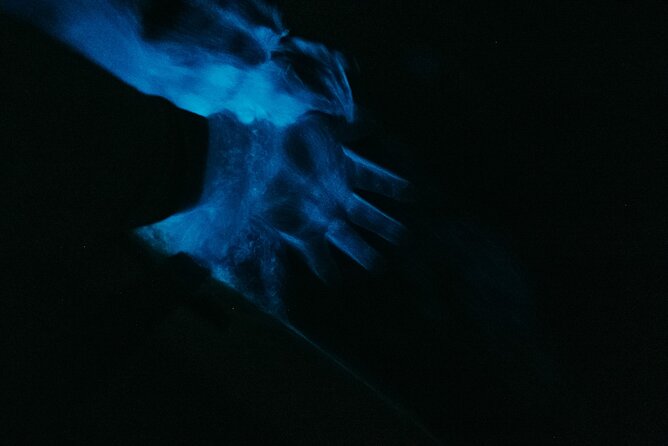
Bioluminescence isn’t one uniform effect. It tends to show up as blue flashes, streaks, or sparkles—like the water is responding to your movement in real time. The clearest moments usually happen when you:
- Paddle slowly enough to let your eyes adjust to the dark
- Make steady strokes so you disturb a consistent patch of water
- Follow the guide’s cues about where to paddle or how to hold your paddle
The clear-bottom design helps because you can watch the glow below you rather than only looking at the horizon. That changes the experience. Instead of hoping for lightning-in-the-distance, you can see the reaction happening right under your kayak.
You might also see comb jellies up close at the surface, which is part of why guides sometimes encourage gentle handling or quick viewing (when they do it). The goal is not a “collect souvenirs” vibe. It’s about helping you connect what you’re seeing with the living biology that creates it.
And yes, sometimes you get wildlife surprises. There’s at least one standout story of a manatee sighting during the paddle. That’s not something you should bet your whole evening on, but it’s the kind of bonus that makes the night feel extra memorable.
Mosquitoes, warm nights, and why repellent is part of the ticket
Let’s talk about the one downside you can’t wish away: mosquitoes. Night + Florida water = serious bug activity. The guides repeatedly recommend industrial-strength repellent, and you should listen. Put it on when your guide tells you to, and consider applying it thoroughly—this is a “don’t be stingy” situation.
Here’s how to make your body cooperate:
- Wear clothes you don’t mind getting damp.
- Bring a change of clothes. Even if you stay dry, you may end up in shallow water or get spray.
- If you’re anxious about getting wet, plan your comfort clothes accordingly before you leave shore. You’ll change once you’re back, but you’ll appreciate having options.
Some paddling areas can be a few feet deep. That depth profile is great for seeing the glow, but it also means your kayak might drift into splash zones depending on wind, tide, and where your group is paddling. Being ready for a little wet is part of the deal.
A warm night with a light breeze is often the sweet spot. Too much wind can make the paddle harder and can reduce how long your eyes stay focused on the subtle glow. When conditions line up, the whole estuary experience feels calm and almost dreamlike—buggy, but calm.
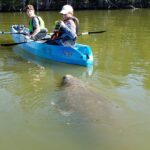
Wildlife and education: why the guide matters on a night like this
This tour is fun for the visuals, but the guide role is bigger than you might think. At night, everything depends on instruction: where to paddle, how to move safely in the dark, and when to slow down so you can actually see the glow.
Guides like Chayse, Jeremiah, Mike, and Noah get strong praise for being upbeat and for explaining what you’re looking at. That’s important because the bioluminescence isn’t just a random effect. There’s a logic to it, and when you understand that logic, the night becomes more than a photo stop.
You also learn how to be a respectful observer. If you spot comb jellies or other small aquatic life, you’ll want to know the difference between curiosity and interfering. The right guide keeps it educational and safe, so you leave feeling like you appreciated the ecosystem instead of messing with it.
Price and value: is $150 for 1.5 hours worth it?
At $150 per person for about 1 hour 30 minutes, this isn’t a bargain-basement activity. You’re paying for three things that are hard to replicate:
- A night-window experience where bioluminescence is the main event
- Clear-bottom equipment and all the gear that makes the glow viewable
- A guide-led search in the right area (the Indian River Waterway)
For value, the biggest point is that equipment is included: kayak, paddle, lifejackets, and dry bags. You’re also not buying a bundle of add-ons at the last minute. Bottled water is not included, so bring that yourself, but you’re not nickel-and-diming your way into being prepared.
The math gets easier if you’re the type of traveler who likes experiences that feel rare. This is one of those “Florida does this really well” outings. If you can swing one paid night activity during your trip, this is the kind that makes people talk about it later.
Who should book this bioluminescent kayak tour
This tour is a good match if:
- You want a night activity that feels different from beach time
- You’re curious about natural phenomena and want to see it up close
- You’re comfortable paddling for about 90 minutes with guide support
- Your group includes first-timers who benefit from clear instructions (the guide quality is a consistent highlight)
It also works for a wide range of participants. The tour says most travelers can participate, and service animals are allowed. The group is capped at 12 travelers, so you’re not jammed into a huge pack.
If you’re someone who hates bugs no matter what, this may not be your dream. With repellent and the right clothes, it becomes manageable. Without that mindset, the mosquitoes can steal the show.
Should you book this Cocoa Beach bioluminescent kayak tour?
I’d book it if you want a night experience that combines clear-bottom viewing with a real natural light show. The included gear, small group size, and guide-driven instruction make it more than just “sit and hope.” It’s a guided way to put yourself where the glow is most likely to appear.
I’d think twice if you can’t handle mosquito pressure or you hate the idea of getting even a little damp. This tour is exactly what it sounds like: a night paddle in the water, not a dry-land themed attraction.
If you go in prepared—repellent on early, change of clothes packed, and your expectations set to slow, low-light paddling—you’ll have a strong chance of leaving with that blue sparkle memory.
FAQ
How long is the bioluminescent clear-bottom kayak tour?
It runs about 1 hour 30 minutes.
Where does the tour start and end?
The meeting point is 951 Kiwanis Island Park Rd, Merritt Island, FL 32953. The tour ends back at the same meeting point.
Is pickup available?
Yes. Pickup is available from Cocoa Beach Country Club, with the parking instructions provided for finding the Cocoa Kayaking trailers.
What’s included with the tour?
You get a kayak, paddle, lifejackets (for weights 30 lbs and up), and dry bags.
Is bottled water included?
No, bottled water is not included.
What language is the tour offered in?
The tour is offered in English.
What size is the group?
The maximum group size is 12 travelers.