REVIEW · ORLANDO
1 Hour Guided Horseback Trail Ride Rock Springs Run State Reserve
Book on Viator →Operated by P3 Rock Springs Llc · Bookable on Viator
Horseback riding can feel like time travel.
At Rock Springs Run State Reserve, you ride through sand pine scrub and flatwoods, then follow near tannin-stained springs and a winding creek with chances to pause and look for wildlife. I especially like the mix of easygoing riding plus real chances to spot things such as red-shouldered hawks, gopher tortoises, indigo snakes, and (if you’re lucky) black bears. One drawback to check up front: the experience requires a strong fitness level and a BMI of 31 or lower.
You’ll keep it simple and small: the group size caps at 8 people, and you get English-language guidance. After you’re finished, you come back to the same place: 31700 County Rd 433, Sorrento, FL 32776.
In This Review
- Key things to know before you saddle up
- Rock Springs Run State Reserve: what you actually ride through
- Along the springs and creek: the best moments on the trail
- The two-hour reality: how the timing usually feels
- Your guides and horses: why the training style matters
- If you’re anxious around horses
- History along the trail: Ethel and the local stories that change how you see it
- Price and value: $79 plus the $5 state park admission
- Weather and wildlife odds: when your plan should flex
- A note on animal welfare: how to handle the hardest part honestly
- Getting there from Orlando: the Sorrento meeting point is the key
- Who this fits best (and who should skip)
- Should you book Rock Springs Run horseback riding?
- FAQ
- How long is the horseback trail ride?
- What is included in the price?
- Is the state park admission included?
- Where is the meeting point?
- How big is the group?
- Are there physical requirements to ride?
- What happens if weather is bad?
Key things to know before you saddle up
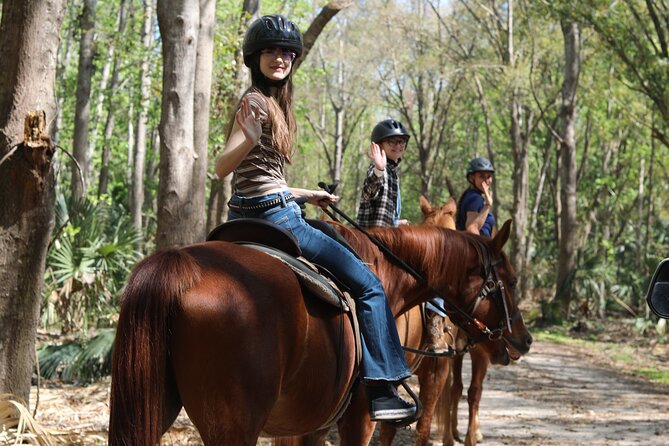
A short, guided ride with lots of stops for viewing and learning
Small group (up to 8 riders) so you’re not lost in the crowd
Helmet included for your ride
Park fee is separate at $5 per booking for Rock Springs Run State Reserve
Guides name the horses and teach you how to ride them (I’ve seen staff led by Maddie and Courtney, plus Kassie/Cassie on other departures)
Rock Springs Run State Reserve: what you actually ride through
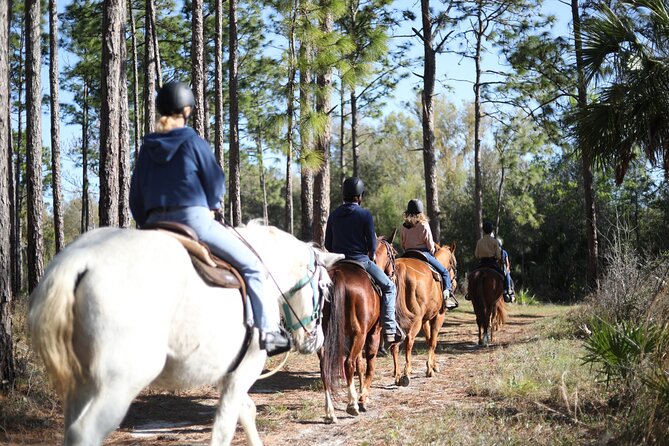
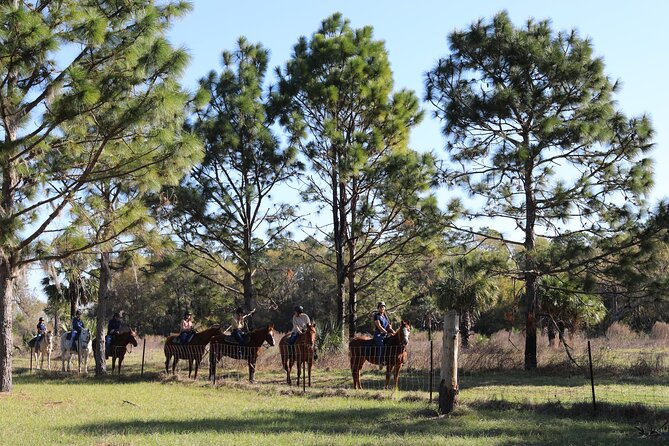
This is Central Florida on horseback, and not the postcard version. Your trail passes through several habitat types in one outing, which is a big part of why the ride feels varied even though the time out on trail is limited.
You’ll move through sand pine scrub, then pine flatwoods, and later oak hammocks. Toward the wetter sections, you’ll be in or near swampy bayheads, where the air can feel cooler and the ground can look darker and more saturated. That mix matters because different animals show up where the conditions change. Even if you don’t see everything, the ride keeps your attention switching between vegetation, water, and wildlife edges.
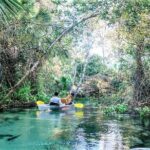
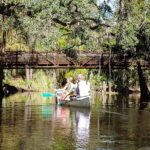
One of the neatest details is that the route tracks near the tannin-stained springs and follows a winding creek. Those tea-colored waters can make it easier to spot movement along the banks, especially when the guides slow the group down for a look. It’s the kind of place where you feel like you’re riding alongside the natural systems rather than just passing through a park.
You can also read our reviews of more guided tours in Orlando
Along the springs and creek: the best moments on the trail
A lot of horseback rides are mostly about staying balanced and moving forward. Here, you also get built-in opportunities to stop and observe.
As you follow the creek and the springs, you should expect the guides to call out what’s worth watching from your position on horseback. When you pause near the water’s edge, your job is mostly to slow your breathing, keep still, and scan. That’s how you catch things that would slip by on foot: a bird that freezes in place, a tortoise that looks like a rock until it moves, or a snake that blends into leaf litter.
Wildlife you may spot includes red-shouldered hawks and gopher tortoises. The ride also has a shot at indigo snakes. These animals aren’t guaranteed, but the habitat is right for them. The big headline is black bears, and the wording around bears is basically “maybe.” If you do see one, it’ll likely be quick. So keep your eyes up and your reactions calm. Your horse is watching you, and calm equals safe.
The two-hour reality: how the timing usually feels

The ride is listed as about 2 hours total, even though the core of the activity is the guided trail portion. Plan for that entire window, not just the time your horse is walking.
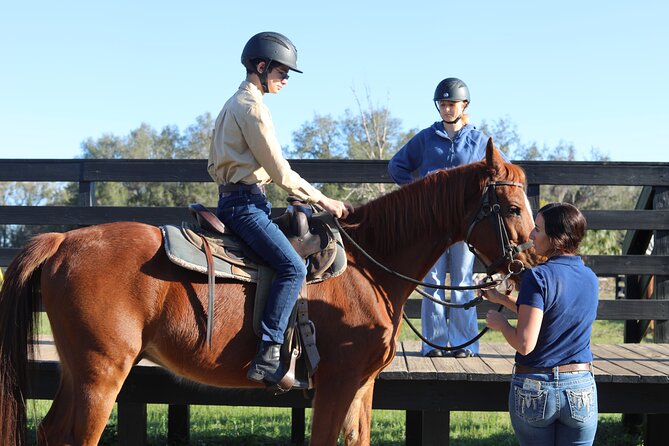
In the time before you head out, you should expect a safety briefing and a check-in flow with the staff. You’ll also get a riding helmet, which is included. Then the guides help you mount and settle in. For beginners, this is where the “it was relaxing even if you were nervous” comments make sense. A good start can reduce the stress that turns an outdoor activity into a survival test.
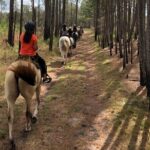
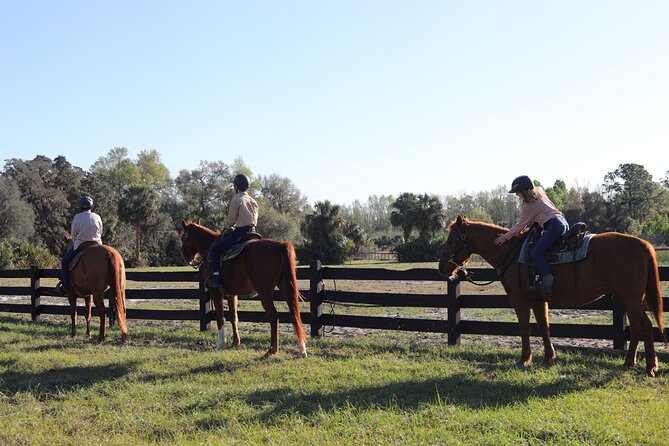
Once you’re moving, the pace is designed to let you look around. The route is leisurely rather than a pace-up sprint, which gives you time to absorb the scenery, follow instructions, and enjoy the stops near the springs and creek.
Your guides and horses: why the training style matters
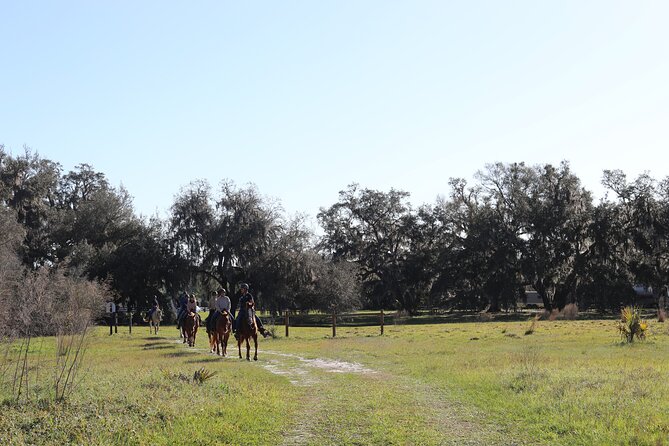
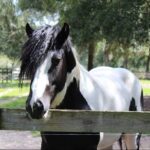
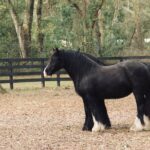
This experience lives or dies by the staff and the horses. The positive feedback here is consistent: riders describe the horses as very well trained and calm, and they credit guides for teaching them what to do before things get underway.
You may meet guides like Maddie and Courtney on some departures, and other groups may have Kassie or Cassie in the lead role. Names aside, what seems to matter most is the way the guides set expectations early: do’s and don’ts, how to handle your horse’s reactions, and how to behave during stops for wildlife viewing.
One thing I like about this approach is personalization. Some riders said the guides take time to explain each horse’s personality and what to expect for their rider. That’s practical. If you know whether your horse tends to spook, how it responds to sounds, and what “normal” behavior looks like, you relax faster and you ride with more confidence.
It also helps that the guides are friendly after the ride. Some riders describe photo help and extra conversation about horses. That makes the outing feel like a small ranch visit, not a robotic assembly line.
If you’re anxious around horses
If horses make you uneasy, look for a guided setup that emphasizes reassurance and clear instructions. This one is designed for that, and it’s also why calm horses are such a big deal here. You shouldn’t feel like you’re being rushed into uncertainty.
You can also read our reviews of more tours and experiences in Orlando
History along the trail: Ethel and the local stories that change how you see it
There’s a historic thread that runs through the route. You’ll pass through a corridor that ties to early settlement in the area, and you’ll hear about remnants of the lost town of Ethel.
That historical element matters because it gives your brain something to hold on to besides “tree, then more trees.” When you connect the vegetation to how people once lived there, the park starts to feel like a living archive. Even the water becomes more than scenery; it becomes part of why people were drawn to the area.
Some riders also mention the guides sharing history that includes local grave site details and a warship-related story. You likely won’t get a textbook lecture, but these are the kinds of added references that make the time move faster and stick longer in your memory.
Price and value: $79 plus the $5 state park admission
The listed price is $79 per person, and the riding helmet is included. What’s not included is the Rock Springs Run State Reserve admission fee of $5.00 per booking.
So you should budget about $84 total per person when you add the state park fee. That’s not a huge add-on, but it’s still money you don’t want to be surprised by at the end.
Why this feels like decent value: you’re paying for a guided ride on trained horses in a place with varied habitats and real wildlife opportunities, in a group that caps at 8. When a tour is small and guided, your cost per minute of instruction and safety increases in a good way.
If you’re comparing alternatives around Orlando, consider what you actually want. If you’re after a longer, multi-stop day, this ride is short. If you want a genuine nature-and-animals outing without spending half your day driving and waiting, the price can make sense.
Weather and wildlife odds: when your plan should flex
This experience requires good weather. If conditions are poor, the operator should offer a different date or a full refund.
That matters for wildlife viewing. In heavy rain or extreme conditions, animals tend to stay hidden and your route can get harder to manage on horseback. So treat the weather requirement as part of the experience, not a nuisance. A sunny, dry day is when the creek edges are accessible and the group can enjoy the viewing pauses.
A note on animal welfare: how to handle the hardest part honestly
One of the provided accounts describes animal mistreatment at the start of a ride, alleging a guide struck a horse with a metal object and that the response showed no remorse. That is serious. In the same material, the provider responds by saying they take animal welfare accusations seriously and that what was described would violate their policies.
Here’s how I suggest you approach this as a buyer, without spiraling. When you arrive, observe. Do the staff handle the horses calmly? Are the horses able to stand and move normally? Are interactions consistent with safe, respectful handling? If you see anything that crosses your line, you’re allowed to walk away.
If you still want to go, ask straightforward questions before mounting. You can frame it around safety and horse care: how they keep horses comfortable, how they handle horse reactions, and what training approach they use. You don’t need a debate; you need confidence.
Getting there from Orlando: the Sorrento meeting point is the key
The meeting point is 31700 County Rd 433, Sorrento, FL 32776. Several riders note that it can be tricky to find the stables on arrival, and the practical fix is simple: use GPS to get to the Rock Springs Run State Reserve entrance first, then follow the road to the stables.
Give yourself a little extra time. Country-road timing can surprise you, and showing up stressed is the wrong mood for a horse ride.
Who this fits best (and who should skip)
This is a strong option for beginners, especially people who want calmer guidance. The recurring theme in the positive experiences is that the guides help ease uneasiness, explain what you need to do, and keep the pace relaxed. If you’ve never ridden before, that structure is exactly what you want.
It’s also small enough that instruction can actually land. With a group cap of 8, you’re less likely to feel like you’re waiting for someone to notice you.
But the requirements are real. You need strong physical fitness, and you must meet the BMI score of 31 or lower. If you’re over that threshold or if riding will be physically tough for you, don’t force it. The horse ride should be enjoyable, not a test of endurance.
Also, this is not marketed as a long-day trek. If you want hours of hardcore riding, this may feel short.
Should you book Rock Springs Run horseback riding?
I think you should book if you meet the physical and BMI requirements, you want a relaxed guided ride through varied Central Florida habitats, and you appreciate small-group attention from guides like Maddie and Courtney (and others such as Kassie/Cassie depending on the date). The mix of springs-and-creek viewing plus local history around places like the lost town of Ethel makes it more than a simple loop ride.
Don’t book if you’re unwilling to accept the animal-welfare concern raised in the provided account. And even if you book, arrive ready to observe horse handling right away. Your comfort and your ethics matter.
If you want a practical checklist:
- You can meet the BMI requirement and handle the physical demands.
- You want about two hours total outdoors with wildlife pauses.
- You’re okay adding the $5 state park admission fee.
- You feel good about the staff’s horse care when you arrive.
FAQ
How long is the horseback trail ride?
The experience is listed at about 2 hours total.
What is included in the price?
The price is $79 per person, and a riding helmet is included. State park admission is not included.
Is the state park admission included?
No. State park admission is $5.00 per booking.
Where is the meeting point?
You meet at 31700 County Rd 433, Sorrento, FL 32776, USA.
How big is the group?
The group is limited to a maximum of 8 people.
Are there physical requirements to ride?
Yes. You should have strong physical fitness, and you must have a BMI score of 31 or lower.
What happens if weather is bad?
This experience requires good weather. If it’s canceled due to poor weather, you’ll be offered a different date or a full refund.