REVIEW · KENNEDY SPACE CENTER
Kennedy Space Center: Astronaut Training Experience
Book on GetYourGuide →Operated by Distributor: GetYourGuide Tours & Tickets GmbH · Bookable on GetYourGuide
Mars feels closer here than it should.
At Kennedy Space Center Visitor Complex, the Astronaut Training Experience turns space talk into hands-on mission simulations, with a personalized video log you can replay later.
My favorite part is how you’re not just watching space hardware—you’re running it like a crew member. You’ll cycle through Mars launch and landing scenarios and a walk-on-Mars style simulation that makes the whole day feel like training, not a lecture.
One thing to consider: the experience is delivered in English, and parts of the simulations involve motion. If you’re prone to motion sickness (or have the listed symptoms), you may need to skip the Lander/Rover Simulator.
In This Review
- Key things to know before you go
- What the Astronaut Training Experience actually feels like
- Your 5-hour mission: Mars landing, rover-style walking, and spacewalk
- Mars mission simulation stations
- Microgravity spacewalk
- What you’ll likely learn (beyond the wow factor)
- SLS rocket launch role: control team or Orion capsule crew
- Microgravity and the Lander/Rover Simulator: safety realities you should respect
- Personal video logs: the souvenir that actually sticks
- English matters: communication, team flow, and how to prepare your brain
- Price and Visitor Complex admission: what to verify
- Who should book this (and who should skip it)
- Should you book the Kennedy Space Center Astronaut Training Experience?
- FAQ
- How long is the Kennedy Space Center Astronaut Training Experience?
- Where do I present my voucher?
- Is this experience offered in English only?
- What age limits apply?
- Can I participate if I have motion sickness or motion-related symptoms?
- Does the ticket include admission to the Kennedy Space Center Visitor Complex?
- How big is the group?
Key things to know before you go
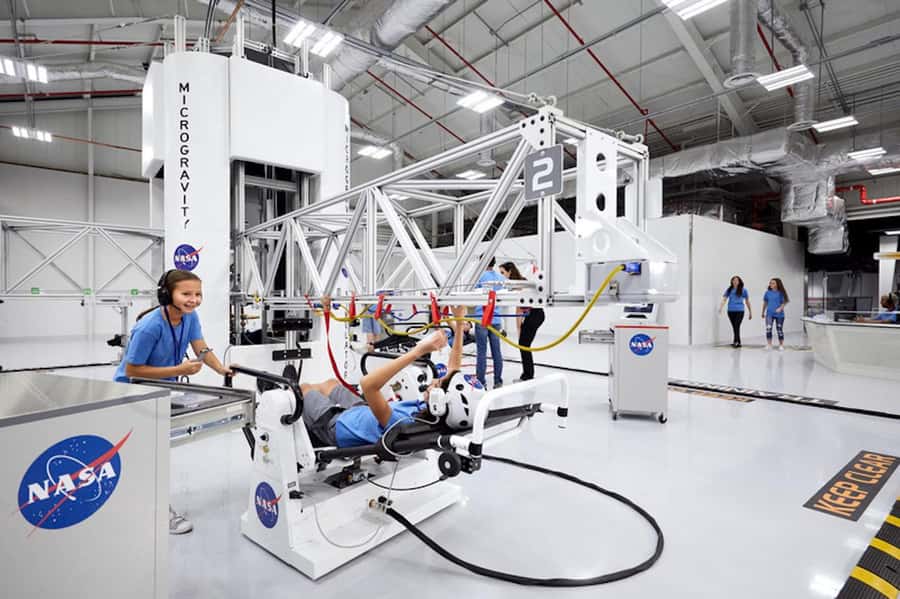
- Small group setup (up to 6) means you actually work with your team, not just stand in a line.
- Mars mission scenarios include launch, landing, and a Mars walking moment as part of your training run.
- Microgravity spacewalk tech is the heart of the experience, with safety rules tied to it.
- Role assignment for SLS launch: you’re placed either on the launch control team or with the Orion capsule crew.
- Personalized video logs give you a real keepsake, not just photos that disappear in your phone.
What the Astronaut Training Experience actually feels like
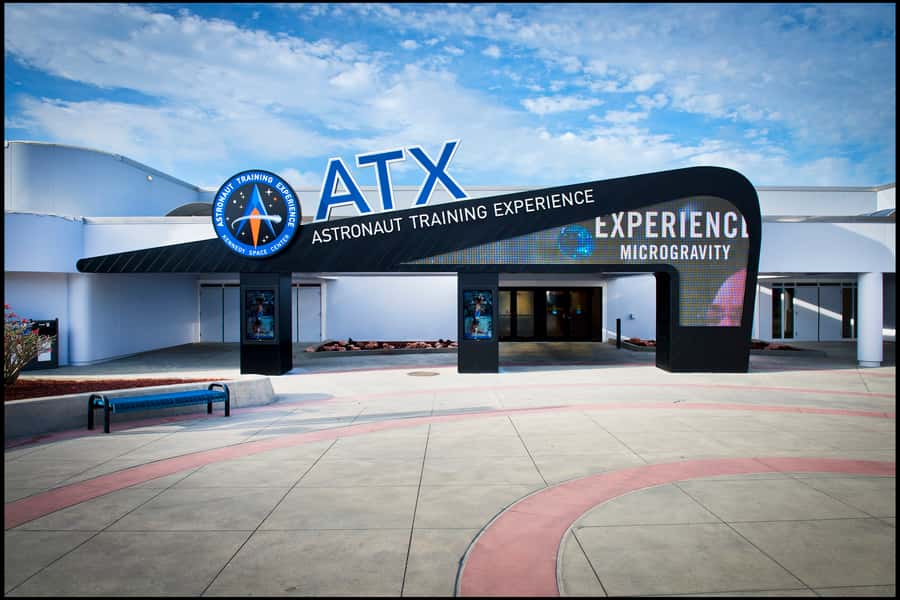
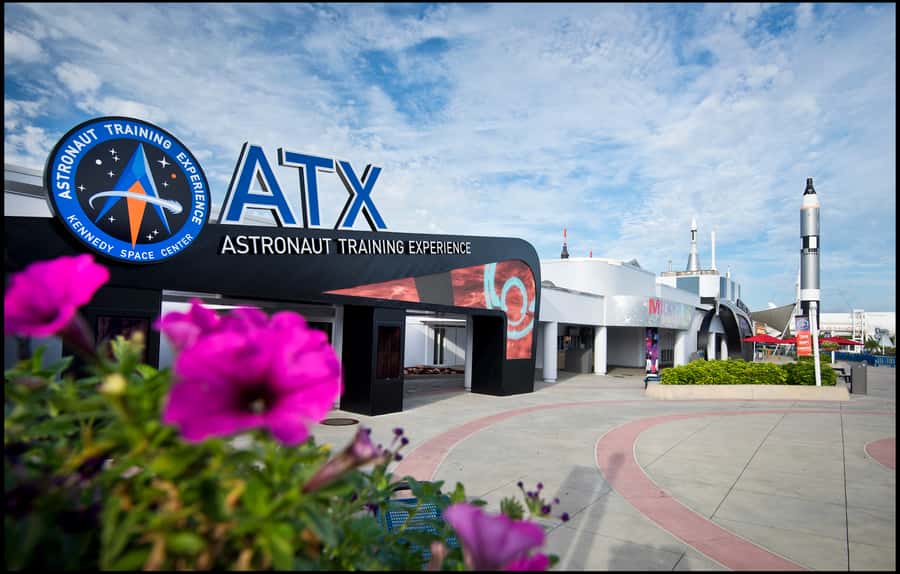
This is a rare space attraction that leans toward training. You’re in the Astronaut Training Experience (ATX) Center, and the vibe is much more like a briefing-to-mission workflow than a theme-park ride.
The setting matters. Instead of only showing rockets and missions from behind glass, you get pulled into a series of scenario stations designed to simulate key mission phases. You’ll be part of a crew, move through guided activities, and work with teammates as if you’re preparing for the next step in human space exploration.
Two details that made the day feel more “real” for many people who do it: clear instruction from staff, and the way the program pushes teamwork. You come away thinking about communication as a core astronaut skill, not just a soft virtue. The training tone also highlights careful handling of equipment—because in space, small mistakes compound fast.
Your 5-hour mission: Mars landing, rover-style walking, and spacewalk
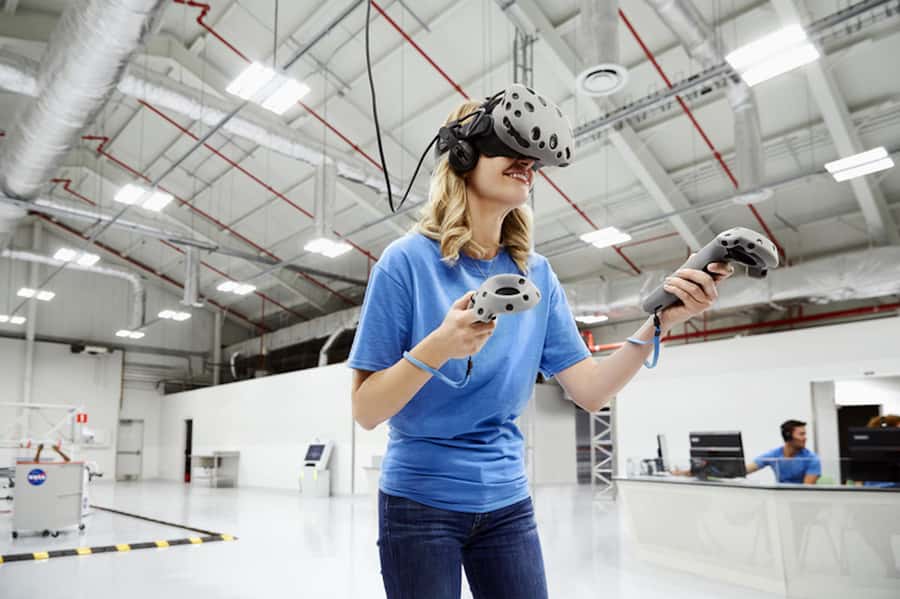
Plan on about five hours (some schedules may run closer to five and a half with short pauses). The flow is built around mission steps you can understand quickly, then practice in a controlled, simulator-based way.
Mars mission simulation stations
You’ll join your crew as mission simulations ramp up, starting with a mission-style sequence that includes:
- Launch and launch-phase activity
- Landing and post-landing procedure moments
- A Mars walking experience using simulation tech
Even if you don’t know the details of how a mission team works, the stations are structured so you can follow along and contribute. The “make it feel like training” part comes from how often you’re asked to act, not just watch.
Microgravity spacewalk
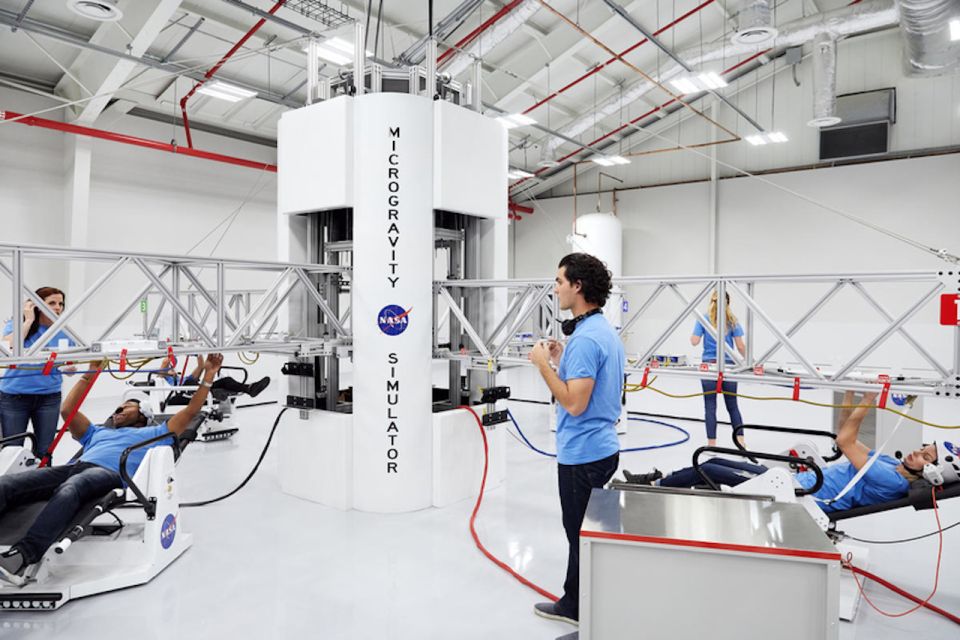
One of the most memorable parts is the spacewalk segment using microgravity simulation technology. This is where your brain says, wait, I’m doing this, and your body goes, okay, but also I’m staying safe.
They also flag health considerations tied to motion and vision. If you’ve ever had issues with motion sickness or sensory mismatch (dizziness, altered vision, eye strain), this is the portion you’ll want to treat seriously. The whole attraction is built around safety instruction given in English, and you’ll need to follow it closely.
What you’ll likely learn (beyond the wow factor)
This experience doesn’t try to make you an engineer. Instead, it teaches you how astronauts function as a team:
- Communication is constant. You don’t just “do the task,” you coordinate while doing it.
- Equipment handling is deliberate. You work at a pace that respects the tools and the simulation.
That’s a subtle shift from typical attractions. You leave thinking like a crew member, not like a spectator.
SLS rocket launch role: control team or Orion capsule crew
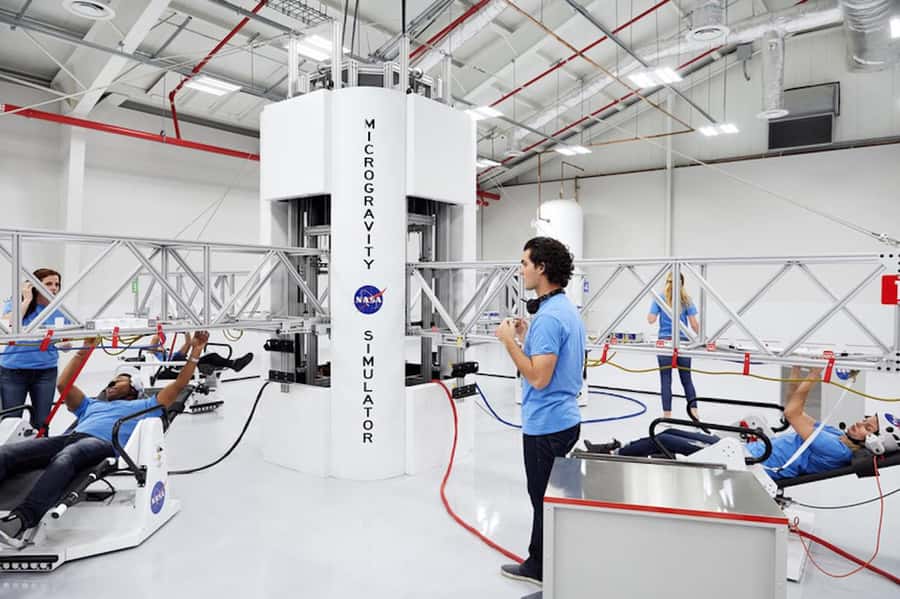
Midway through the day, the training pivots to a NASA mission moment: participation in the launch of NASA’s Space Launch System (SLS) rocket.
Here’s the key detail: you won’t watch from the sidelines. You’ll be assigned as either:
- A member of the launch control team, or
- The Orion capsule crew
That role assignment changes how you experience the simulation. If you’re in control mode, you’re thinking in sequences and decision points. If you’re in the capsule crew mode, you’re thinking from the inside of the mission mindset.
Either way, it’s one of the most “this is training” segments of the day, because it asks you to act within a team structure under mission pressure—without the danger you’re normally associating with rocket launches.
Microgravity and the Lander/Rover Simulator: safety realities you should respect
Let’s be blunt: this is fun tech, but it’s still motion-based simulation. The attraction specifically notes that if you experience seizures, loss of awareness, eye strain, altered vision or other visual abnormalities, dizziness, or motion sickness-related symptoms, you should not participate in the Lander/Rover Simulator.
They also add other restrictions tied to physical and medical concerns, including conditions like:
- vertigo
- pregnancy
- back problems
- heart problems
- recent surgeries
- high blood pressure
- mobility impairments
If any of those apply, don’t treat this as a “maybe.” Treat it as a hard stop where the program tells you to stop.
Practical tip: if you’re on the edge—prone to nausea with rides, or you notice visual strain on screens—consider whether you want to trade comfort for the Mars walk-style moment. You’ll still get a full day’s value, and skipping the one segment can help you enjoy the rest.
Personal video logs: the souvenir that actually sticks
Most space attractions give you photos. This one gives you something better: personalized video logs created during the training. That’s huge because it turns your experience into a story you can replay when the adrenaline fades.
The idea is simple: after you finish your mission simulation, you can revisit your log. It’s also a nice way to remember the training steps and your role, especially if you participated as control team or Orion crew.
And yes, you’ll probably take plenty of photos too. One advantage of doing the day at ATX is that you get multiple “checkpoint” moments that translate well to pictures—without feeling like you’re only snapping one pose.
English matters: communication, team flow, and how to prepare your brain
This experience uses English for safety instructions and interactive content, and participants must be fluent enough to follow along. The program also includes technical phrasing, so if your English is correct but not fast under pressure, plan to lean on your team.
Why this matters: these stations aren’t passive. When you’re learning by doing, you need to understand instructions quickly, then respond. A small group helps here. With up to 6 participants, it’s easier to ask for clarification in the moment than it would be in a big crowd.
Also note the age rule: trainees aged 10–17 require a paying, participating adult. And it’s not suitable for children under 10, plus there are height cutoffs listed (not under 120 cm / 3 ft 9 in, and not under 135 cm / 4 ft 4 in). If you’re traveling with family, check these early so you’re not scrambling on the day.
Price and Visitor Complex admission: what to verify
There’s an important value point to sort out before you buy. Some options include admission to the Kennedy Space Center Visitor Complex, while others do not.
So before you pay, read your option description closely and confirm one thing:
- Is your voucher for Astronaut Training Experience only, or does it bundle the Visitor Complex admission?
This matters because people sometimes assume they’re covered and later learn the park entry is extra. Even if your training voucher is the main purchase, the Visitor Complex admission can change what you can do before or after.
Is it worth it? For the right traveler, yes—because the training component is the product. You’re paying for a structured, role-based mission simulation day, plus the microgravity spacewalk and video log keepsake. If you mainly want a general space museum visit, you might decide to spend your money elsewhere. But if you want to participate, not just observe, this is the type of experience that tends to justify its cost.
Who should book this (and who should skip it)
Book it if you fit any of these:
- You like hands-on science or tech learning that’s built around teamwork.
- You want role-play as part of a space mission simulation, not just a viewing experience.
- You enjoy structured activities where instructions are clear and the group works together.
- You care about leaving with something replayable, like the personalized video logs.
Skip or reconsider if:
- English comfort is limited. You need to follow safety directions and interactive content in English.
- Motion triggers you. The Lander/Rover Simulator has clear health-based restrictions.
- You want a purely serious behind-the-scenes look at “what astronauts do” in a job-interview way. This program is built as interactive training stations, and some people may prefer a more straightforward, technical format.
Should you book the Kennedy Space Center Astronaut Training Experience?
I’d book this if you want a high-impact, small-group space day that treats you like a crew member. The best part is the combination of mission-style scenarios (Mars phases), a microgravity spacewalk experience, and a role in an SLS launch simulation. Add the personalized video logs, and you get a memory you can actually revisit.
But I’d also be honest about the two big gatekeepers: English fluency and motion sensitivity. If you can meet those requirements comfortably and you’re excited to participate, this is one of the more satisfying ways to spend a half-day at Kennedy Space Center—because you’re not just seeing the future. You’re acting inside the simulation of it.
If you’re already going to the Visitor Complex, treat this as the part of the trip where you stop being a spectator.
FAQ
How long is the Kennedy Space Center Astronaut Training Experience?
The duration is listed as about 5 hours. You should check availability for specific starting times.
Where do I present my voucher?
Present your voucher at the Kennedy Space Center Visitor Complex. The coordinates provided are 28.51909637451172, -80.68171691894531.
Is this experience offered in English only?
Yes. The instructor is English, and safety instructions and interactive content are provided in English. Participants must be fluent in English.
What age limits apply?
It’s not suitable for children under 10. For trainees aged 10 to 17, a paying, participating adult is required.
Can I participate if I have motion sickness or motion-related symptoms?
No. If you experience motion sickness-related symptoms (or related symptoms listed such as dizziness or altered vision), you should not participate in the Lander/Rover Simulator.
Does the ticket include admission to the Kennedy Space Center Visitor Complex?
That depends on the option you choose. Some options include admission to the Visitor Complex and others do not, so you should read option descriptions carefully.
How big is the group?
It’s a small group limited to 6 participants.