REVIEW · ORLANDO
Florida Bioluminescent Kayak & Paddle Board Adventure
Book on Viator →Operated by A Paddle in Paradise (Paddle Board / Kayak Tours) · Bookable on Viator
Mysterious lights, right on Florida water. This Indian River Lagoon paddle is built around bioluminescence you can actually see while you glide—either glowing dinoflagellate trails in warm months or comb jellies in cooler seasons. I especially love the small-group feel (max 12) and the way guides keep the vibe calm, so you get time to look instead of being rushed. One possible drawback: sightings depend on conditions, so if nature is uncooperative, the glow can be faint.
You’ll choose your ride—stand-up paddleboard or a more stable kayak-mod—and spend about 1 hour 45 minutes paddling at an unhurried pace. If you’ve ever tried a night tour and felt lost, you’ll like this one for being straightforward to find and well set up with the basics already handled. The main consideration is that this is physical: you’ll need to paddle and steer your own craft, and you should be comfortable doing that in the dark.
In This Review
- Key things that matter on this night paddle
- Where Florida’s Indian River Lagoon actually turns on the lights
- SUP or a stable kayak-mod: choosing the right craft
- Meeting point and first 10 minutes: how the tour keeps it simple
- Your 1 hour 45 minutes: what you’ll do on the water
- Seasonal glow plan: May to early October vs October to April
- May–early October: brighter dinoflagellate trails
- Early October/November–April: comb jellies with NOQUA lighting
- October is transitional
- Wildlife you might spot (and how to think about chances)
- Weather reality: rain or shine, but safety comes first
- Photos, waterproof phone moments, and getting the memories later
- Value: why a small-group bioluminescent paddle can cost less than it seems
- Who should book this paddle in paradise
- Should you book this Florida bioluminescent kayak or SUP tour
- FAQ
- What should I bring for a Florida bioluminescent kayak or SUP tour?
- How long is the paddle?
- Where do I meet for the tour?
- Do I get a choice between a kayak and a paddleboard?
- What’s the bioluminescence season schedule?
- Is the tour canceled for rain?
- Is there a maximum group size?
- Are photos included?
- What if I’m over the weight limit?
Key things that matter on this night paddle
- Dinoflagellates vs comb jellies by season so you can time your trip for the glow you want
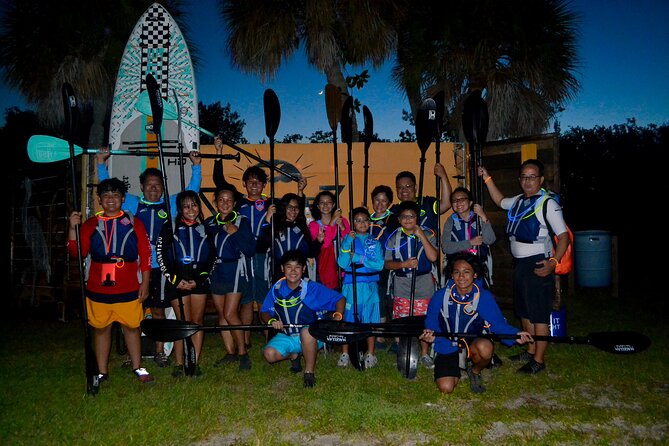
- Small group up to 12 for more looking time and less crowd pressure
- Bug spray is provided so you can pack lighter and focus on enjoying the ride
- Guide-led wildlife spotting with chances at stingrays, puffer fish, horseshoe crabs, and even dolphins
- Included photos you can retrieve later from the Memories tab on the operator site
Where Florida’s Indian River Lagoon actually turns on the lights
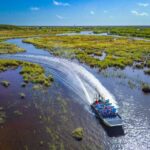
Florida has plenty of coastlines, but this tour is focused on one specific place: the Indian River Lagoon, near Merritt Island (a short drive from Orlando and also close to Cocoa Beach). That matters because the lagoon is where the living plankton and jellies that cause glow show up.
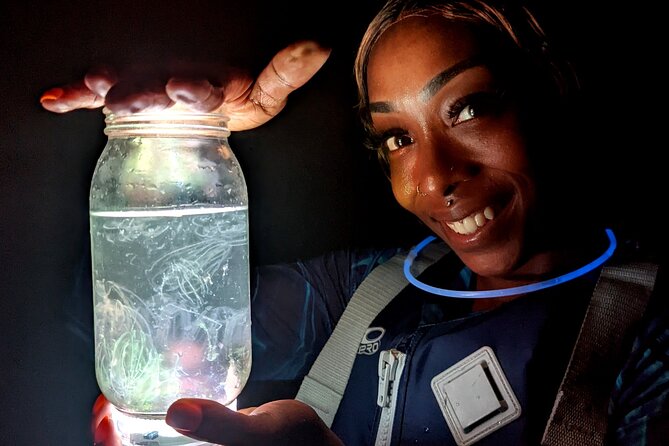
The magic comes from tiny organisms that produce light when they’re disturbed. In warm months, that glow is usually from dinoflagellates, creating those electric-looking blue streaks right along your paddle. In cooler months, the show shifts—glowing comb jellies can appear, and the water can still light up when you move through it.
To help you see what’s going on (especially in the colder season), the tour uses NOQUA lighting systems. That doesn’t replace the natural glow, but it improves visibility enough for you to spot more of what’s happening in the dark.
You can also read our reviews of more tours and experiences in Orlando
SUP or a stable kayak-mod: choosing the right craft
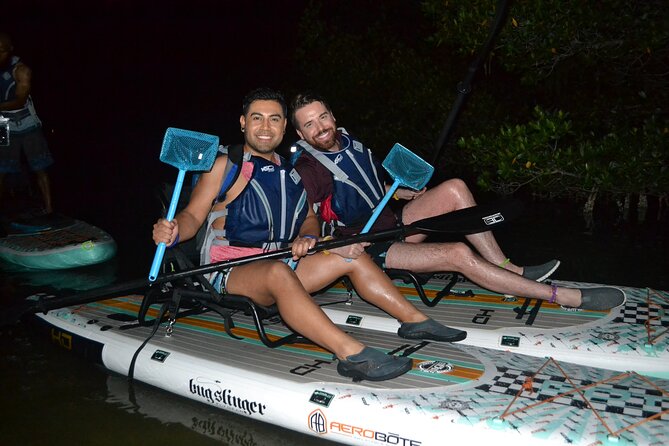
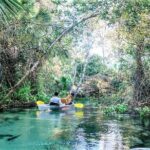
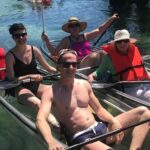
You pick your style before you head out: a stand-up paddleboard (SUP) or a kayak-mod that’s designed to be more stable and comfortable than a traditional kayak.
Here’s how to choose:
- Choose SUP if you’re steady on your feet and want the freedom of moving more naturally with your paddle strokes.
- Choose the stable kayak-mod if you want something easier to balance and relax in—especially helpful for beginners, kids, or anyone who just wants a smoother ride.
Two practical notes from the info provided:
- The tour is max 285 lbs per person for equipment, so if you’re near that, contact the operator before booking.
- This is a hands-on paddle experience. You’ll be expected to paddle and operate your own craft, not just sit back and watch.
Meeting point and first 10 minutes: how the tour keeps it simple
You meet at 951 Kiwanis Island Park Rd, Merritt Island, FL 32952. The good news is the departure point is meant to be easy to find, and you’ll get clear direction updates before you go.
Expect a quick start setup:
- Your ticket is mobile, so have it ready.
- You’ll get bug spray, meaning you don’t have to gamble on whether you remembered the right repellent.
- You’ll gear up and choose your board or kayak-mod.
Guides also play a big role in your comfort level early on. Names that show up in the guide experiences include Nate, Jeff, and Jess, and they’re repeatedly described as safety-minded, patient, and focused on making sure you know what to look for once you’re on the water.
Your 1 hour 45 minutes: what you’ll do on the water
This is a relaxed paddle rather than a speed outing. Plan for about 1 hour 45 minutes on the water, and remember it’s a night experience—your job is to paddle, pay attention, and let the glowing pockets show up as conditions allow.
A typical flow looks like this:
- Launch and settle in: You’ll get oriented so your strokes don’t panic the water. Smooth movement often helps you notice more glow.
- Guided “look and learn” moments: The guide helps you find the right pockets where the glow is most visible.
- Explore without feeling herded: Multiple guide notes highlight that you’re not constantly being barked at. You get some freedom to drift and paddle at a comfortable pace.
- Seasonal glow hunting: Depending on the month, you’re watching for dinoflagellate trails or comb jellies.
- Return to the launch point: The activity ends back where you started.
One tip that comes up in the experience details: you may be shown small interaction methods, like making a shape with your hands and putting it into the water to trigger light. It’s the kind of activity that turns the whole paddle from passive viewing into something you can control in a fun, safe way.
Seasonal glow plan: May to early October vs October to April
Timing is the biggest lever you control for getting the exact kind of glow you want.
May–early October: brighter dinoflagellate trails
In this window, you’re most likely to see glowing blue trails created by bioluminescent dinoflagellates. That means your paddle strokes can leave streaks behind, and you’ll often notice the glow coming from multiple spots as the organisms respond to movement.
There’s often also mention of late-season jelly activity, so you might see something beyond the standard plankton glow—just know the main target is still the water-trail effect.
Early October/November–April: comb jellies with NOQUA lighting
When the season shifts, the glow focus can move toward comb jellies. Along with that, you may see other nocturnal wildlife illuminated with the NOQUA lighting systems.
This is also when people report more side sightings like stingrays, puffer fish, and horseshoe crabs. Dolphins can show up too, depending on where you paddle that night.
October is transitional
If you’re booking in October, you’re in a mixed zone. You may see both dinoflagellate glow and comb jelly activity. That’s a great month if you don’t want to bet everything on one exact glow type.
Wildlife you might spot (and how to think about chances)
This is not a guarantee safari. It is a night paddle in a living lagoon, and animals show up when they show up.
Still, the provided experience details include solid “possible to see” wildlife:
- Stingrays
- Puffer fish
- Horseshoe crabs
- Dolphins (reported as a bonus surprise in at least one guide experience)
- Jellyfish, including comb jellies in the cooler season
What’s valuable here isn’t just the species list. It’s that the guide points your eyes toward slow movement and subtle shapes in dark water. If you’ve been frustrated by tours where you miss everything because you didn’t know what to look for, this format is designed to fix that.
Weather reality: rain or shine, but safety comes first
This experience runs in rain or shine, but not in the face of dangerous conditions. Tours will commence as long as there is no thunder, lightning, or heavy winds, and conditions are safe.
If weather turns worse, you might experience a 30-minute weather hold. If conditions become safe after that hold, you go out. If not, you receive a refund.
Two practical things to take from this:
- Night visibility can change quickly, so if it’s breezy or stormy nearby, expect the operator to be cautious.
- You should be ready for course changes in real time. One guide story includes a group that asked to turn around due to worries about lightning and an alligator concern, and the guide did what the group requested while keeping everyone close to the launch area. That’s not a guarantee, but it tells you how seriously safety and group comfort are taken.
Also, since this is Florida: mosquitoes can be intense even with spray. A recurring theme is that bug spray helps a lot, but you should still apply it generously before you head out.
Photos, waterproof phone moments, and getting the memories later
One of the most practical wins: photos of your excursion are included. Guides may take pictures during the paddle, and you’ll want to make sure you follow any instructions the day of the tour so your group gets captured.
There’s also mention of waterproof pouches for phones. If you don’t have one, ask before you go so you’re not stuck leaving your device behind.
Afterward, you can access your photos online:
- Go to the operator site and open the Memories tab.
The operator’s system can sometimes take time to sync with booking platforms, so keep an eye on messages the day of your tour in case anything needs a manual fix.
Value: why a small-group bioluminescent paddle can cost less than it seems
No price is listed here, so I’ll talk value in a way that actually helps you decide.
This trip is positioned as cost-friendly partly because it’s a small group. With a max of 12 (and an average around 12), you’re less likely to feel like a number. You also get more guide attention when it comes to spotting glow patterns and wildlife shapes.
You also get several useful extras built into the experience:
- Bug spray provided (fewer add-on purchases)
- Included photos
- NOQUA lighting systems for seasonal viewing
- A guided paddle format that keeps you from wasting your night staring at dark water with no clues
If you’re coming from Orlando, you also have the advantage of a drive that’s short enough to do without turning the night into a whole second vacation.
Who should book this paddle in paradise
This is a strong fit if:
- You want a night activity that feels peaceful, not chaotic
- You’re traveling as a couple, family, or solo and want a guide-led experience
- You’re okay with light exertion and paddling your own craft
- You love nature details, especially the biology and ecology behind the glow
Families do well here as long as kids can paddle and handle the water craft responsibly. Solo travelers also do well because the guided structure gives you confidence without removing freedom to look around.
If your main goal is guaranteed fireworks-level glow every minute, keep expectations flexible. The glow is natural, seasonal, and condition-based.
Should you book this Florida bioluminescent kayak or SUP tour
I’d book it if you want a rare Florida experience and you like the idea of being on the water during the exact conditions when the lagoon lights up. The seasonal plan is a real advantage: choose your month for dinoflagellates or comb jellies, then let the guide help you find the best glowing pockets.
Skip or reconsider if:
- You’re not comfortable paddling and operating your own craft.
- You’re easily stressed by changing weather decisions.
- You’re expecting the glow to look exactly like ads in every moment, regardless of conditions.
If you can handle a little physical effort, stay ready for Florida bugs, and show up with a flexible attitude, this is the kind of tour that can turn a simple night drive into a memory you talk about for a long time.
FAQ
What should I bring for a Florida bioluminescent kayak or SUP tour?
You should plan to paddle and operate your own water craft. Bug spray is provided, so you don’t need to bring that. For your phone, you may want a waterproof way to carry or protect it, since waterproof phone pouches are mentioned in guide experiences.
How long is the paddle?
The excursion runs about 1 hour 45 minutes.
Where do I meet for the tour?
The meeting point is 951 Kiwanis Island Park Rd, Merritt Island, FL 32952, USA. The activity ends back at the same meeting point.
Do I get a choice between a kayak and a paddleboard?
Yes. You can choose either a stand-up paddleboard (SUP) or a stable kayak-mod, which is described as more comfortable and stable than a traditional kayak.
What’s the bioluminescence season schedule?
May through early October is best for dinoflagellates. Early October/November through April is best for glowing comb jellies, with October described as transitional so you may see both.
Is the tour canceled for rain?
It’s rain or shine. The tour won’t go out if there’s thunder, lightning, or heavy winds and if conditions are not safe. In severe weather, there may be a 30-minute weather hold, then a refund if it still isn’t safe.
Is there a maximum group size?
Yes. The tour has a maximum of 12 travelers, and the average group size is around 12.
Are photos included?
Yes. Photos are included, and they can be accessed on the operator website under the Memories tab.
What if I’m over the weight limit?
The equipment has a max weight of 285 lbs. If you exceed that, you should contact the operator directly before booking for possible accommodations.